Find the best ways to navigate Washington, DC
Washington, DC is one of the easiest cities in the U.S. to explore without a car. Visitors can reach all of the city’s most famous monuments, museums, restaurants and hotels with ease.
The city is especially convenient for travelers staying near Metro stations or visiting popular areas like the National Mall, Capitol Hill, Downtown, Dupont Circle, Georgetown, Shaw and The Wharf.
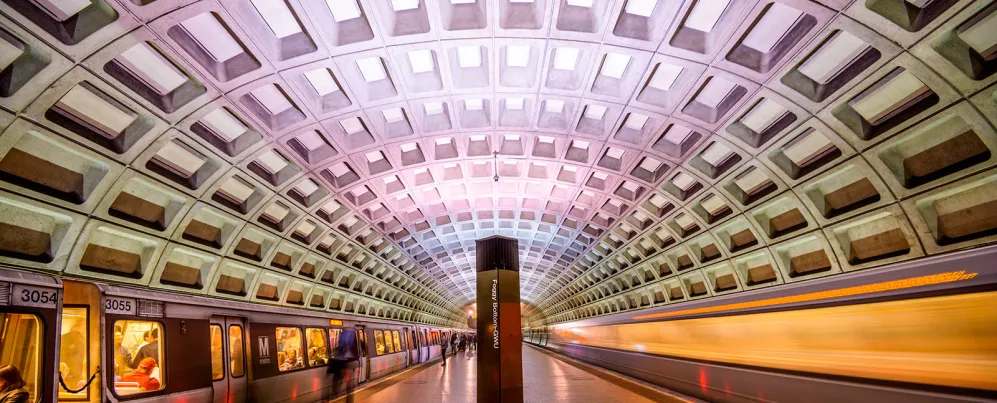
For many trips, Metrorail is the fastest and simplest option. Walking is ideal for exploring the National Mall and DC’s neighborhoods. Metrobus, biking, scooters and rideshares can help fill in the gaps.
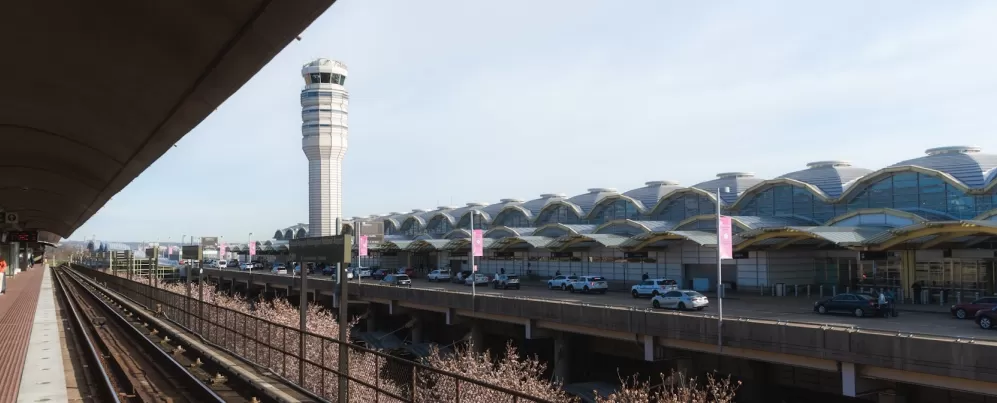
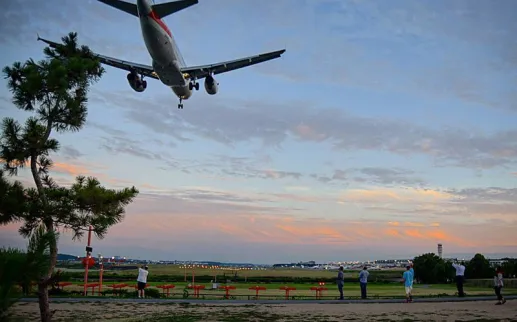
Wondering how to get to DC in the first place? Learn more about airports and other transportation options.
Metrorail and Metrobus
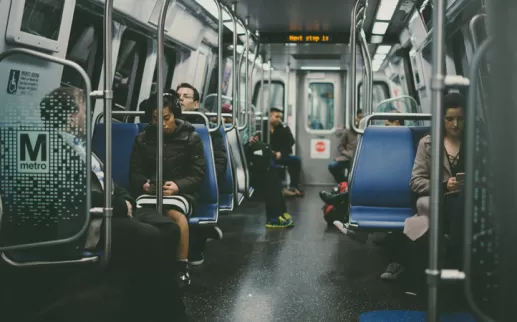
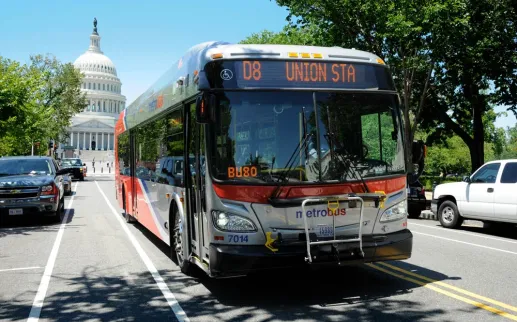
The most commonly used transportation systems are the Metrorail and Metrobus, which are operated by the Washington Metropolitan Area Transit Authority (WMATA), which has been serving Washingtonians and visitors since 1967.
Visitors can pay for Metrorail by tapping in and out on the faregates with any credit, debit or mobile wallet card. For unlimited one, three or seven-day passes, visitors will need to use a fare machine to get a SmarTrip card.
For specific directions in utilizing WMATA services, check out the Trip Planner.
Metrobus operates hundreds of routes throughout DC and the surrounding area, with over 1,400 vehicles in the fleet. Buses produce about 45% fewer hydrocarbons than traditional diesel, making them a sustainable choice for transportation.
How to Navigate the Metro
Transportation Resources

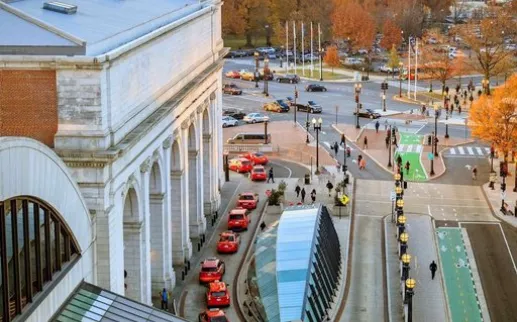
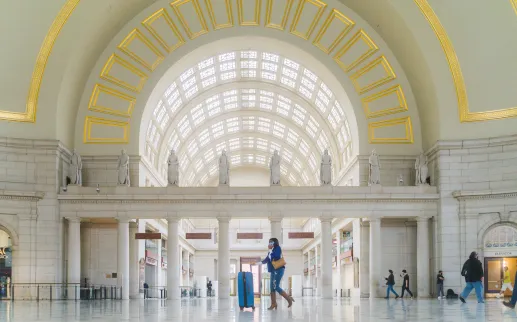
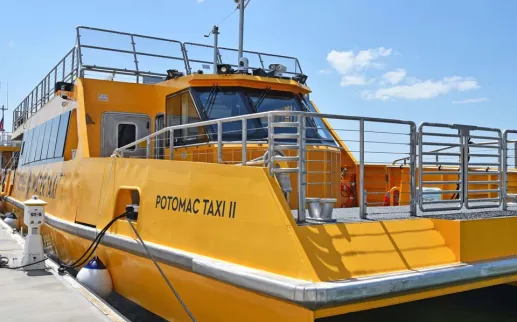
DC: One of the most walkable cities in the U.S.
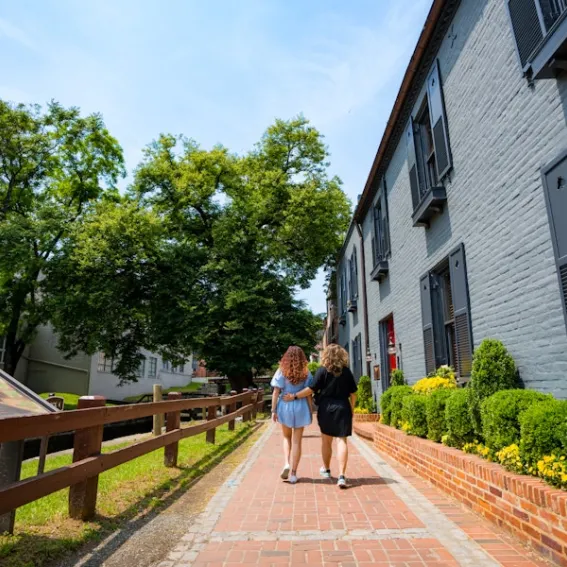
One of the best ways to experience Washington, DC is on foot.
Wide sidewalks meander past the inspiring monuments and museums found on the National Mall, as well as the intimate museums, world-class theaters and splendid gardens in the city’s collection of neighborhoods.
Bikes & Scooters
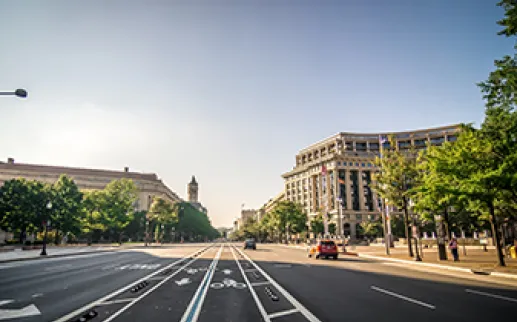
Biking is an easy way to cover more ground while enjoying DC’s neighborhoods, waterfronts, parks and bike lanes.
Capital Bikeshare is the region’s bike-sharing system, with hundreds of stations across Washington, DC, Maryland and Virginia. Riders can choose single trips, day passes or memberships, then pick up a bike at one station and return it to another. There are 800+ stations and 8,000 bikes across the metro DC region.
Visitors can also rent bikes through local rental companies such as Unlimited Biking, which offers standard bikes, kids’ bikes and accessories at two locations in DC. Rentals typically include helmets, locks and a map, plus access to friendly staff, who will happily help you plan your route.
Renting bikes, scooters, or mopeds are also available throughout the city and can be useful for short trips.
Safety note: Follow all local laws, including age, helmet, parking and safety requirements. Use bike lanes where available and leave sidewalks for pedestrians.
Getting Around by Car
Rental, Taxi, Rideshare or Private Transportation
Most visitors do not need to rent a car to explore Washington, DC. Traffic can be heavy, especially during rush hour, and parking may be limited or expensive in popular areas.
A car may be useful if you plan to take day trips outside the city or visit destinations that are not easily reached by public transit. For most in-city itineraries, other options are more convenient.
Taxis, rideshares and private car services are widely available in Washington, DC. These options can be helpful for late-night travel, trips with luggage, airport transfers or destinations that require multiple transit connections.
Travel times may vary depending on traffic, events, road closures and rush hour conditions.
Rentals & Services

Accessibility Guides
Regional Public Transit
Visitors can easily travel between Washington, DC and neighboring areas in Maryland and Virginia. The region, often called "the DMV," includes several public transit systems that serve commuters, residents and visitors.
Regional options include:
- MARC train for travel between DC and Maryland
- Virginia Railway Express, also known as VRE, for travel between DC and Virginia
- Fairfax Connector buses in Northern Virginia
- Other local bus and rail systems listed through WMATA and regional transportation providers
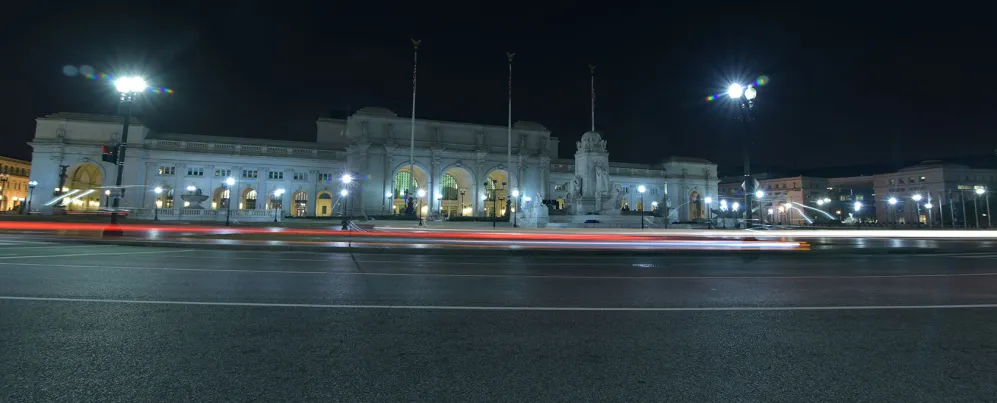
These options can help visitors reach destinations outside the District without renting a car.