MAP IT


Chloe Chapin | Suitable: The Sartorial Revolution and the Fashioning of Modern Men
The American Revolution didn’t just happen through documents and declarations—it also evolved on the backs of men. While the diaries, letters, and broadsides featured in the DAR's Revolution in Their Words capture the intellectual birth of a nation, there was a simultaneous "sartorial revolution" happening in how those very citizens dressed.
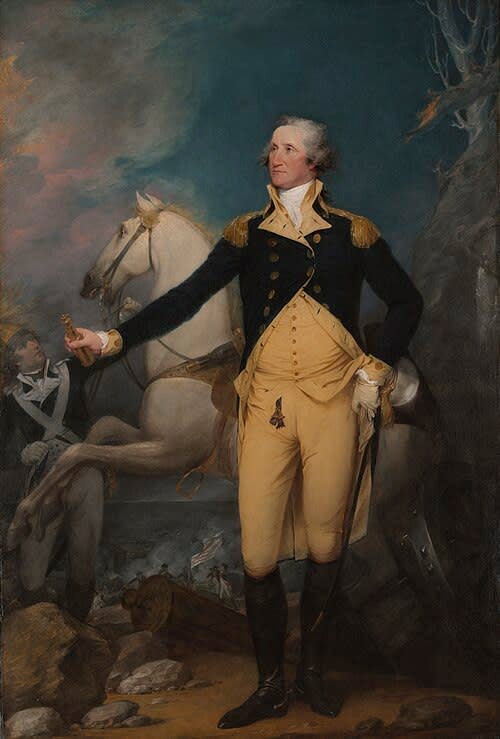
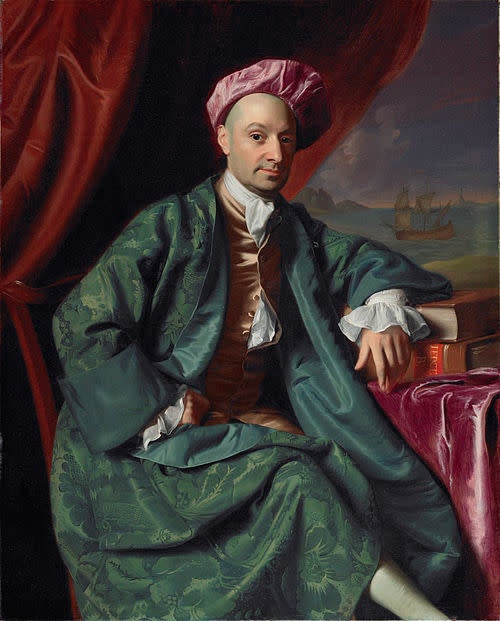
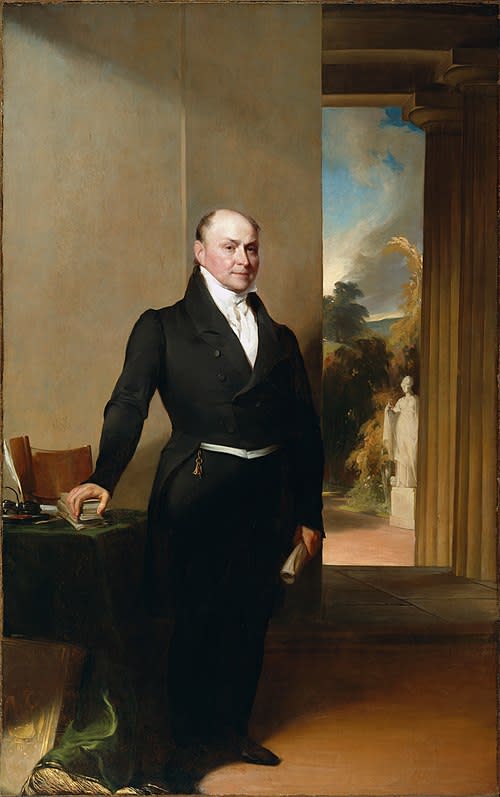
In her new book Suitable: The Sartorial Revolution and the Fashioning of Modern Men, historian and costume designer Chloe Chapin explores how the Founding Fathers literally fashioned a new American identity. Before 1776, elite colonists dressed to emulate the European aristocracy, favoring colorful silks, gold lace, and jeweled buckles. But as revolutionary fervor grew, men like George Washington, Thomas Jefferson, and Benjamin Franklin actively rejected the opulence of the British court in favor of plain, dark, woolen garments. Chapin reveals how this radical shift from "peacocks to penguins" was a deeply political act. The new, unadorned suit became a material translation of the Declaration of Independence, symbolizing republican ideals of equality, rationality, and freedom from aristocratic servitude.
Join Chapin for a fascinating look at the clothing worn by the men who wrote America into existence, and discover how the modern suit was born out of rebellion to become a powerful, unspoken document of democracy.
This virtual Tuesday Talk is free and open to the public.
Register in advance to receive the zoom link!
About the Speaker
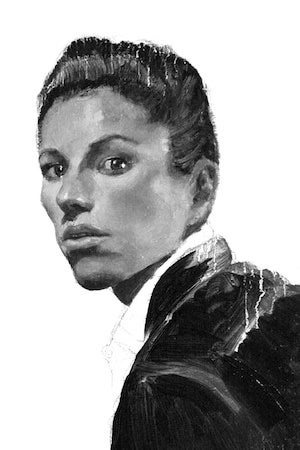
A former Broadway costumer, Chloe Chapin has a PhD in American Studies from Harvard University, and master’s degrees from the Fashion Institute of Technology and the Yale School of Drama. She has taught at Harvard, FIT, Parsons, and Reed College, and been a Fulbright Scholar and held research fellowships at the Smithsonian, Mount Vernon, Monticello, the Huntington Library, and the American Antiquarian Society. For her first book, Suitable, Chapin took her designer’s eye into the historical archives, in order to better understand the visual, material, embodied, and performative elements of men’s suits and their impact on the modern world. She works at Harvard University and lives in Cambridge, MA.