
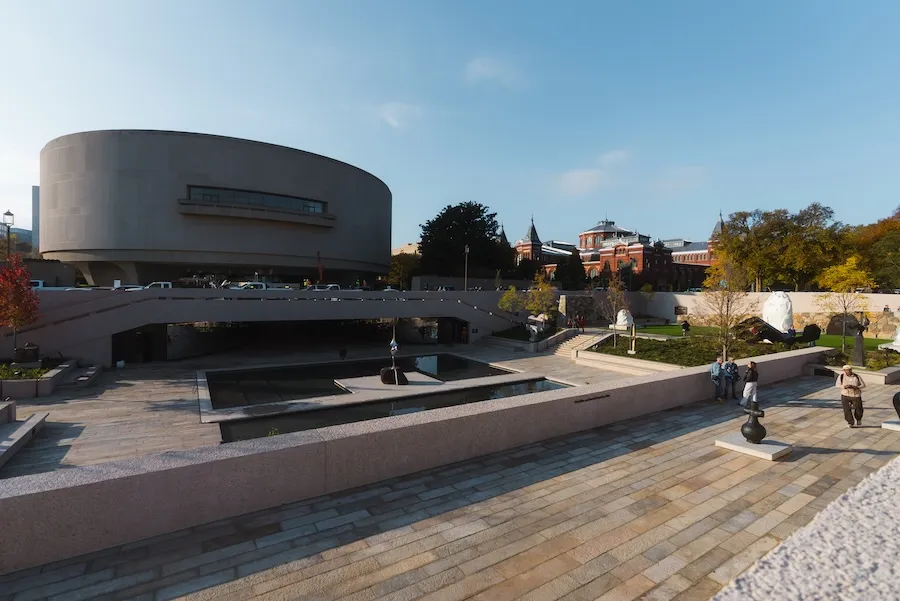

What you need to know to experience modern art through a free reopened sculpture garden on the National Mall.
Discover some of the world’s most compelling modern and contemporary art at the Smithsonian Hirshhorn Museum and Sculpture Garden. Explore the newly revitalized Sculpture Garden, where innovative installations and iconic works come together in an enhanced outdoor setting that invites visitors to experience art in a fresh way.
What do I need to know about the new Sculpture Garden?
Philanthropist Joseph H. Hirshhorn gifted his immense art collection to the nation in 1966 and thus began the story of the Hirshhorn. The Smithsonian’s national museum of modern and contemporary art, which first opened on the National Mall in 1974, was envisioned as a unified campus from the beginning, allowing visitors to engage with one of the most comprehensive library of sculpture in the world across the museum and garden.
A 1981 garden transformation added accessible pathways, more plants and shade and more intimate spaces for sculptures. However, by the 2010s, the garden required infrastructure improvements and better sightlines to reinforce its relationship with the museum and the surrounding National Mall.
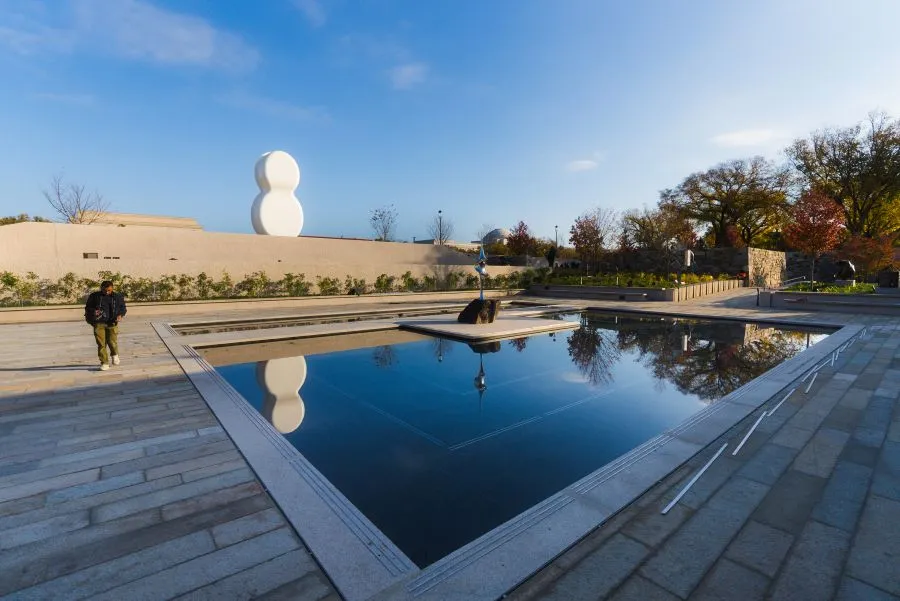
Artist and architect Hiroshi Sugimoto and his Tokyo-based firm, New Material Research Laboratory, were brought in for the revitalization, the largest transformation of the campus in the Museum’s history. Here’s a rundown of what’s new about the 1.3-acre space:
- Underground passage from the museum to the garden under Jefferson Drive reopened for the first time since the early 1980s
- Expanded reflecting pool with Sugimoto’s Kuen Surface stainless steel sculpture at its center
- Wider north entrance from the National Mall accentuated by Elmgreen & Dragset’s Eight installation
- New East Overlook includes works by Chatchai Puipia and new West Overlook has sculptures by Huma Bhabha and KAWS
- A 70% increase in number of sculptures on view (from 35 to 60)
- New allée that connects the East and West Gardens
- New flexible West Lawn Gallery that allows for large-scale installations, rotating exhibitions and live performances
- 57 new trees and approximately 30,000 plants
Can I see work by major artists there?
One of Auguste Rodin’s most famous sculptures, The Burghers of Calais, can be found in the East Garden, as can Yoko Ono’s famous Wish Tree for Washington, DC, Pablo Picasso’s Pregnant Woman (First State) and Henri Matisse’s The Back I-IV. David Smith’s Cubi XII lives in the Central Garden along with Sugimoto’s incredible Kuen Surface.
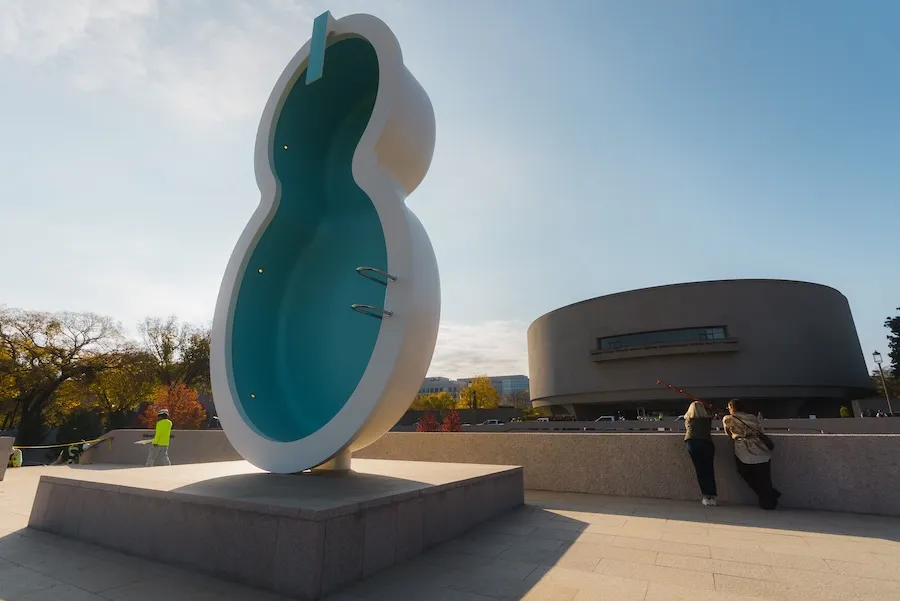
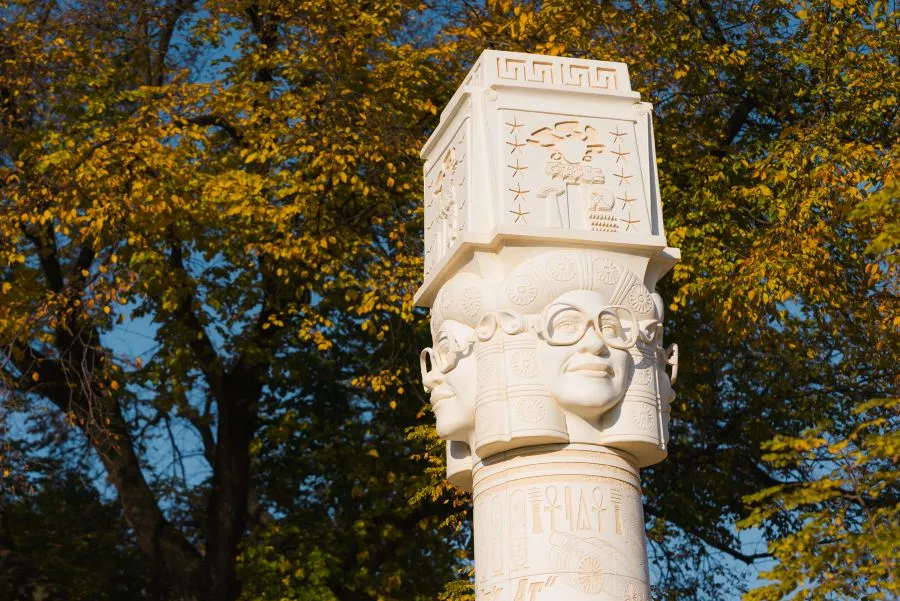
Elmgreen & Dragset’s Eight adds to other notable additions like Lauren Halsey's keepers of the krown (antoinette grace halsey) in the West Garden and Chatchai Puipia's Wish You Were Here on the Southeast Overlook.
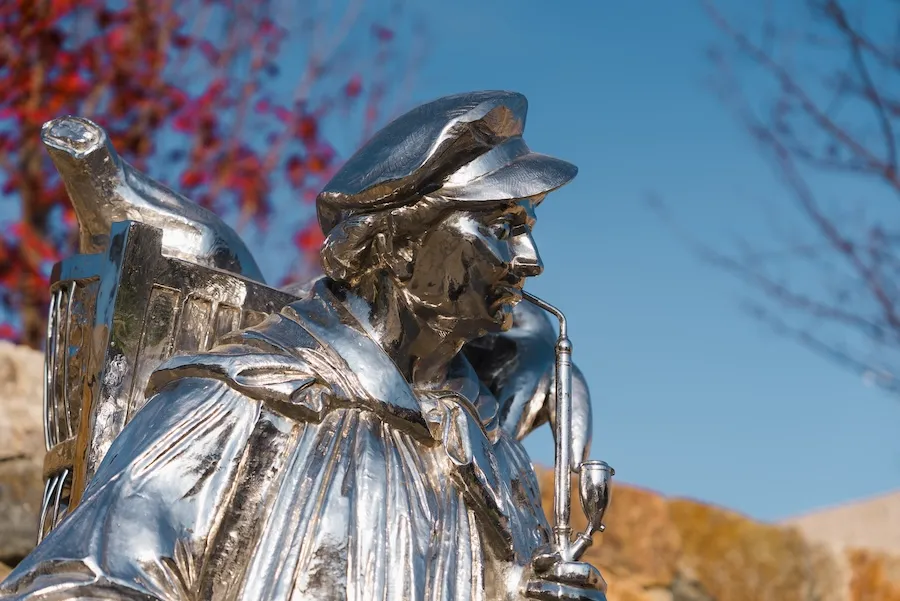
Visit the Hirshhorn’s website to see the full list of artists currently on display throughout the Garden. Other standouts include Jeff Koons, Henry Moore, William de Kooning, Barbara Hepworth and Joan Miró.
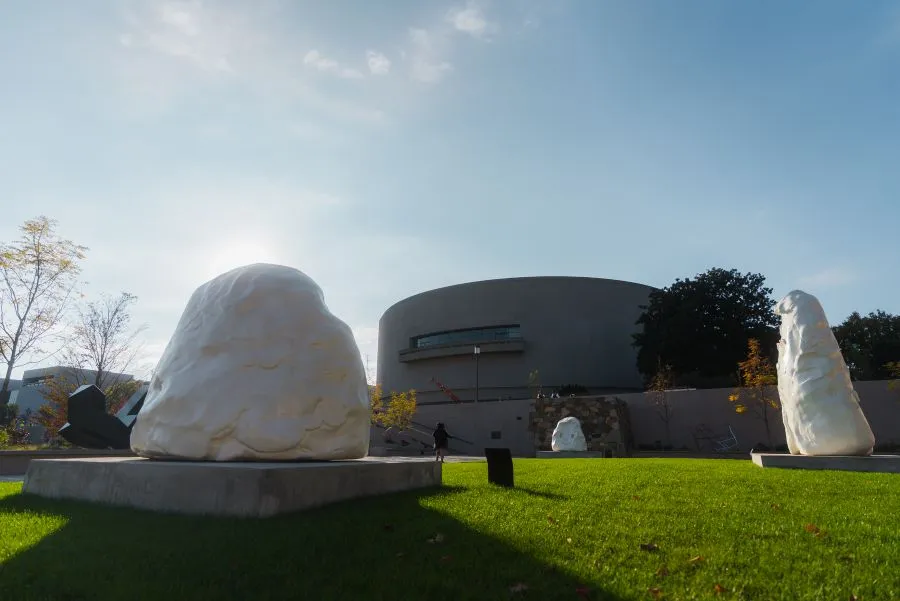
Is the Sculpture Garden free to visit? How do I get there?
The Hirshhorn Museum and Sculpture Garden is always free to visit. Both are open daily from 10 a.m. to 5:30 p.m. The campus is located at the corner of 7th Street and Independence Avenue SW on the National Mall. The Sculpture Garden’s new layout offers an entrance from the National Mall itself. You can take the underground passageway straight to the Museum’s Plaza (or vice versa).
The easiest way to get there is via public transportation. If traveling by Metrorail, get off at the Smithsonian stop on the Blue, Orange and Silver lines and use the National Mall exit. You can also arrive via Metrobus or bikeshare.
Complete your arts and culture trip with our three-day itinerary, plus even more free things to do.
Partner Content