

Even before they embarked on their own DC love story, art world husband-and-wife duo James and Zsudayka Terrell loved their city.
James Stephen Terrell was born and raised in the District, completing his undergraduate education at Howard University. Even after attending Parsons School of Design and Columbia University’s Theological Seminary (with a minor in fine arts), the gravity of his home pulled him back.
With degrees from Hampton University and The State College of Denver, Zsudayka traded the mountains of Colorado for the hallowed hills of the DMV in 2012. At the time, the multi-disciplinary artist was working off-canvas: hosting spoken word performances, curating shows and writing three of her own self-published books. As she put down her own roots in DC, she was taken with the resilience and history of the community.
Now, James and Zsudayka have been working as painters for more than 10 years. They met at one of her shows and instantly connected over their love of art, bourbon and history. “I fell in love with her instantly and we’ve been creating together ever since,” James says. In addition to being fellow artists, they’re also business partners.
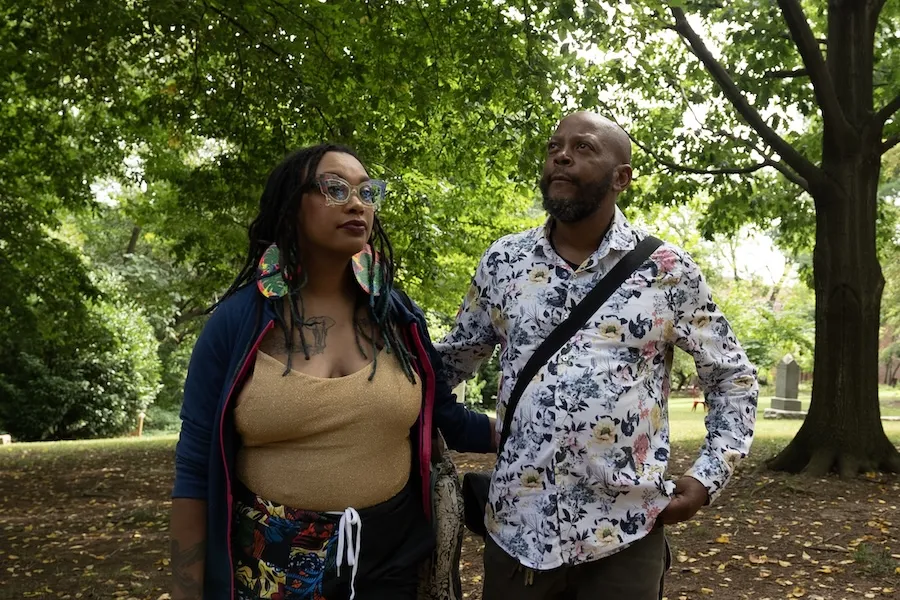
Together, they own and run Terrell Arts DC, an advocacy and education firm for working and emerging artists. In addition to showcasing their own art, James and Zsudayka educate other artists on marketing their work. They also assist educators in schools and at home on building arts curricula.
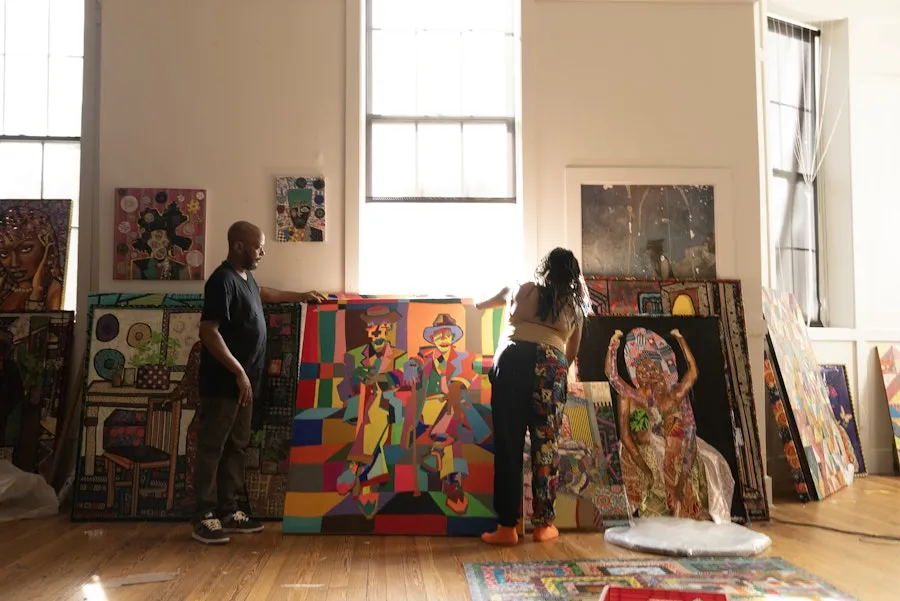
One of their favorite areas of the city is Georgetown, which is where their studio is located. Known for its charming cobblestone streets and historic architecture, it also holds a profound legacy of African American history. “DC has a complex history, but I love that it isn’t glossed over,” says Zsudayka. “It’s in plain sight.” From the early days of slavery to its flourishing free Black communities, Georgetown played a pivotal role in the African American experience in Washington, DC – one that the Terrells pay tribute to in their art.
Trail along with these two artists and history buffs on an African American history tour through Georgetown.
Morning
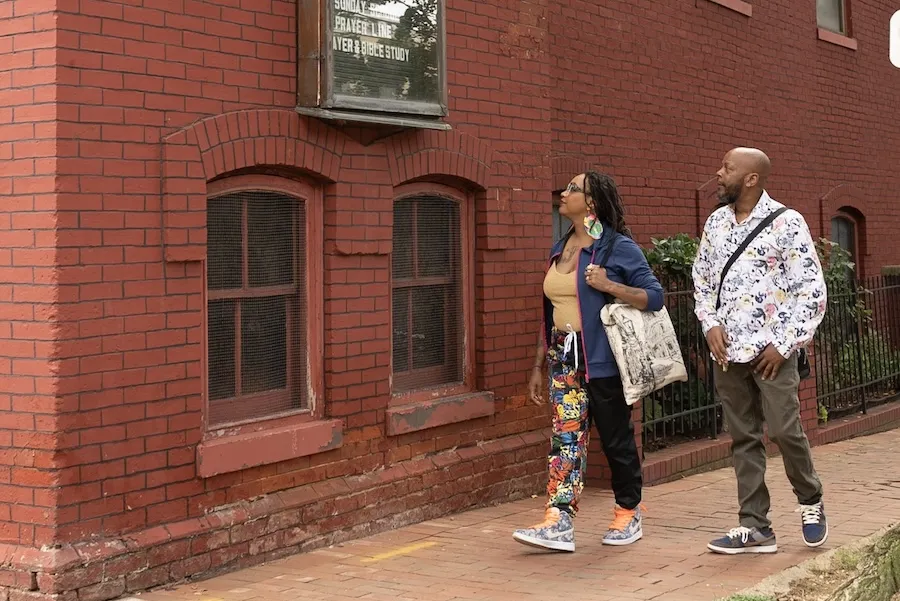
In their work and life, the Terrells continuously find themselves inspired by the legacy of African American spirituality that has empowered generations to persevere in the fight for freedom. This story is felt at the First Baptist Church of Georgetown, one of the oldest Black congregations in the District. Founded by free and enslaved African Americans in 1862, the church provided a sanctuary for the Black community during the Civil War era and beyond.
A short walk from the First Baptist Church is the Mount Zion Cemetery/Female Union Band Society Cemetery, one of the oldest African American burial sites in DC. Dating back to the early 19th century, this site serves as a reminder of the struggles and contributions of those whose names our history books may have forgotten.
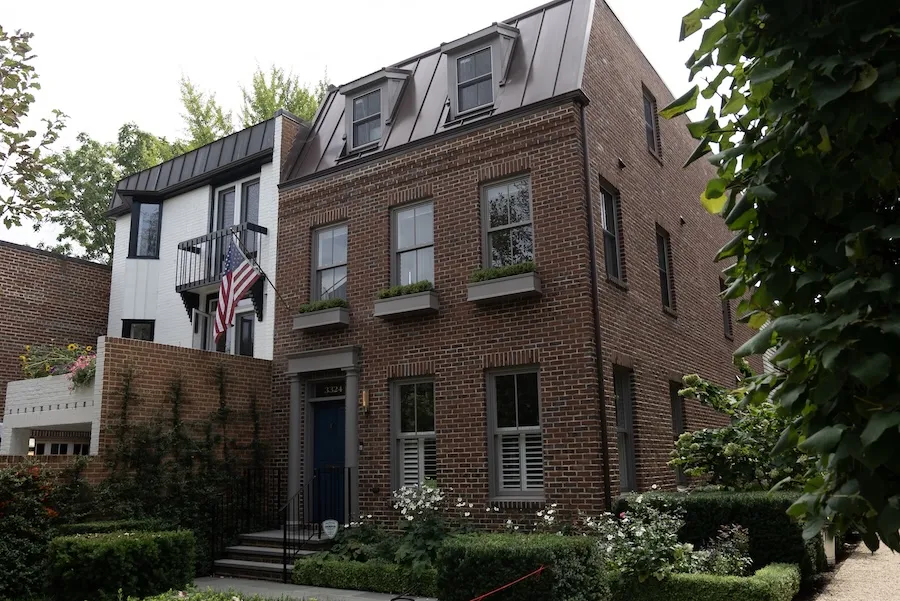
Only a few blocks away is the historic Yarrow Mamout Homesite, home to the formerly enslaved African Muslim Mamout. As a free man, Mamout became a businessman, a homeowner and a portrait subject for renowned artist Charles Wilson Peale.
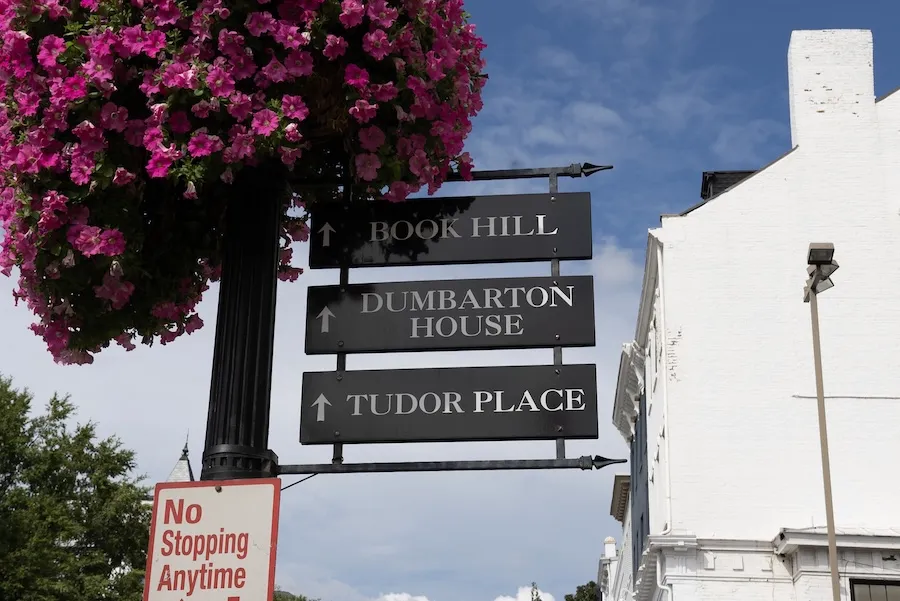
To experience Black history from another perspective, visit the opulent Dumbarton House, a Federal-style home that showcases the wealthy white Washingtonian lifestyle afforded through the exploitation of enslaved people. The museum also displays the incomparable craftsmanship and artistry of Black Americans.
Afternoon
The next stop is the Alfred Lee Feed and Grain Store. Lee, a free Black man, began his business in the mid-1800s. As one of the oldest family-owned and operated small businesses in America, the enterprise stayed open and in the family into the 1940s. His successful venture provided essential supplies to Georgetown’s residents and symbolized Black entrepreneurship during a time when opportunities for African Americans were severely restricted.
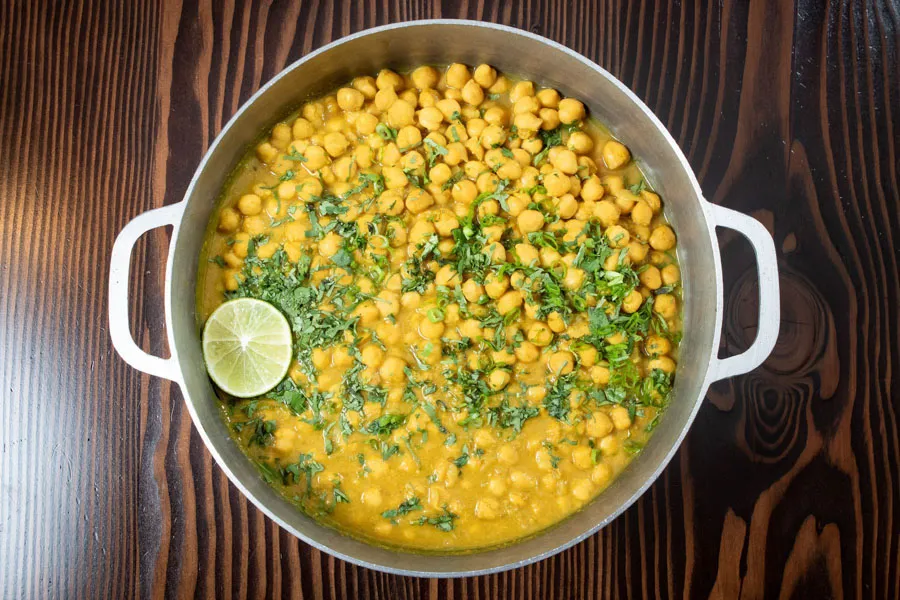
To get a taste of the African diaspora, make a reservation at one of the hottest restaurants in the city, Chef Jeanine Prime’s Cane in Capitol Hill. For its take on eclectic Trinidadian cuisine, this spot earned a prestigious Bib Gourmand selection in the 2020 Michelin Guide. With a menu offering flavorful staples like jerk wings and curried meat folded into roti burritos, Prime’s culinary repertoire incorporates global culinary influences from Spain, France, East Asia and India. The restaurant’s name is inspired by the African people enslaved to harvest sugar cane in Trinidad during British rule.
Evening
The city has memorialized the difficult chapter of legal slavery in American history by identifying some of the city’s slave pens, where enslaved Black Americans were held before being transported to the Deep South. Two that are still standing include the Montgomery Tavern and Slave Pen (2900 K Street NW) and the Georgetown Theater/Slave Pen (1351 Wisconsin Avenue NW).
Round out your day with some Southern soul food at Oohhs & Aahhs (a U Street favorite) or Hitching Post (open since 1967).