
Journey through the District to see lesser-known monuments with historian Dr. Sandra Jowers-Barber.
Originally from the beaches and boardwalk of Atlantic City, New Jersey, historian and professor Sandra Jowers-Barber has now called the bustling streets of DC her home for 50 years. For someone with a curious mind captivated by stories of the past, especially those less-told narratives, she's found the perfect place.
"This city recognizes the contributions of individuals, especially African Americans," she says with genuine appreciation. "And that makes it very special."
Jowers-Barber arrived in DC in the 1967 to attend Howard University, where she earned multiple advanced degrees: a PhD in U.S. History, an MA in Public History, and a BA in English with a minor in journalism. Today, as a Chair of Humanities and Criminology and Associate Professor, she educates students about African Americans who changed history but often remain in the shadows.
In a city famous for its grand monuments to Founding Fathers and well-known historical figures, Jowers-Barber is partial to the local heroes getting their "cast in bronze" recognition. She's particularly passionate about highlighting African Americans who made significant impacts on our nation's history, even if their names aren't widely recognized. Doing that in the classroom is one thing, but when the entire city serves as a history text, getting outside is key.
Morning
A day exploring African American history in DC means getting your steps in. Grab a coffee and breakfast and scoop up a title on your must-read list at Busboys and Poets in Anacostia. You will be surrounded by literature and stunning artwork as you enjoy your meal. The landmark establishment speaks beautifully to the District’s steadfast Black culture, history, and community.
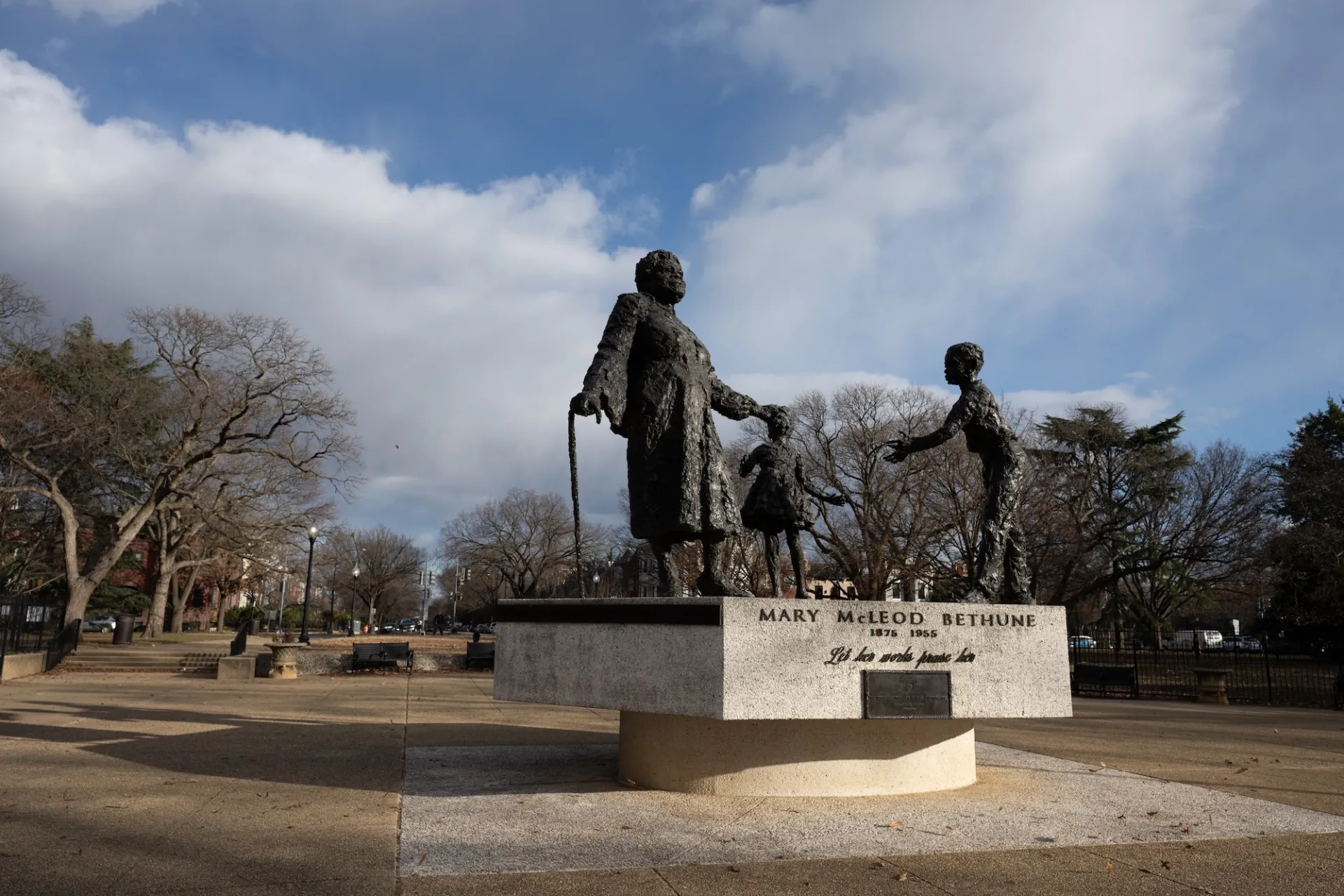
After your meal, head to Lincoln Park to visit the Mary McLeod Bethune statue, the first monument on federal land dedicated to an African American woman. Installed in 1974, this landmark honors Bethune's remarkable legacy as an educator, Presidential advisor, and advocate. Standing before her bronze likeness, channel the spirit of a true trailblazer whose work transformed women's rights, civil rights, and education in America.
Afternoon
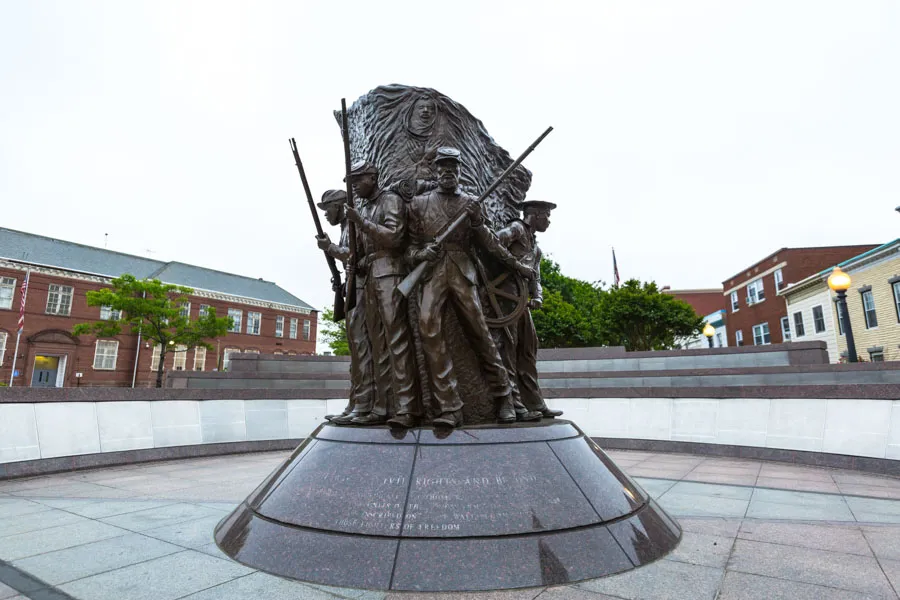
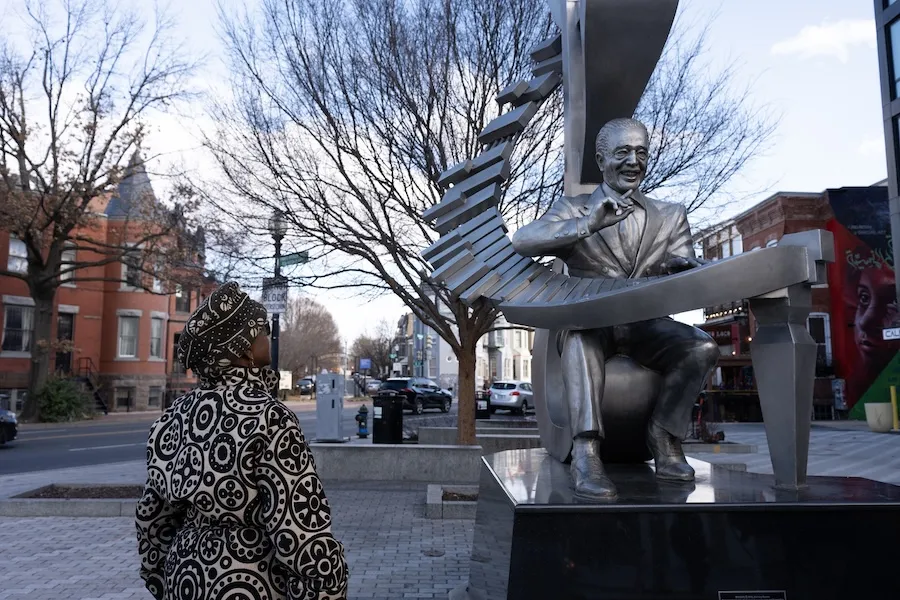
Continue your journey at the African American Civil War Memorial on historic U Street, once known as "Black Broadway”. The powerful monument honors the hundreds of thousands of Black soldiers who fought for freedom during the Civil War, their names etched in stone as a permanent reminder of their courage and sacrifice. Nearby stands the Duke Ellington statue, "Encore," which celebrates the jazz pioneer who was born and raised in DC and went on to become an American musical icon.
Next, visit the Frederick Douglass statue in Emancipation Hall at the U.S. Capitol, a fitting tribute to the abolitionist whose words of liberation echoed through these same halls. Round out your afternoon at the Wilson Building to see the statue of Marion Barry, also known as the “Mayor for life." In spite of a 1990 scandal that damaged his reputation, Barry is still a beloved local figure thanks to his dedication to civil rights and his commitment to improving local communities throughout his four Mayoral terms and service on the DC Council.
Evening
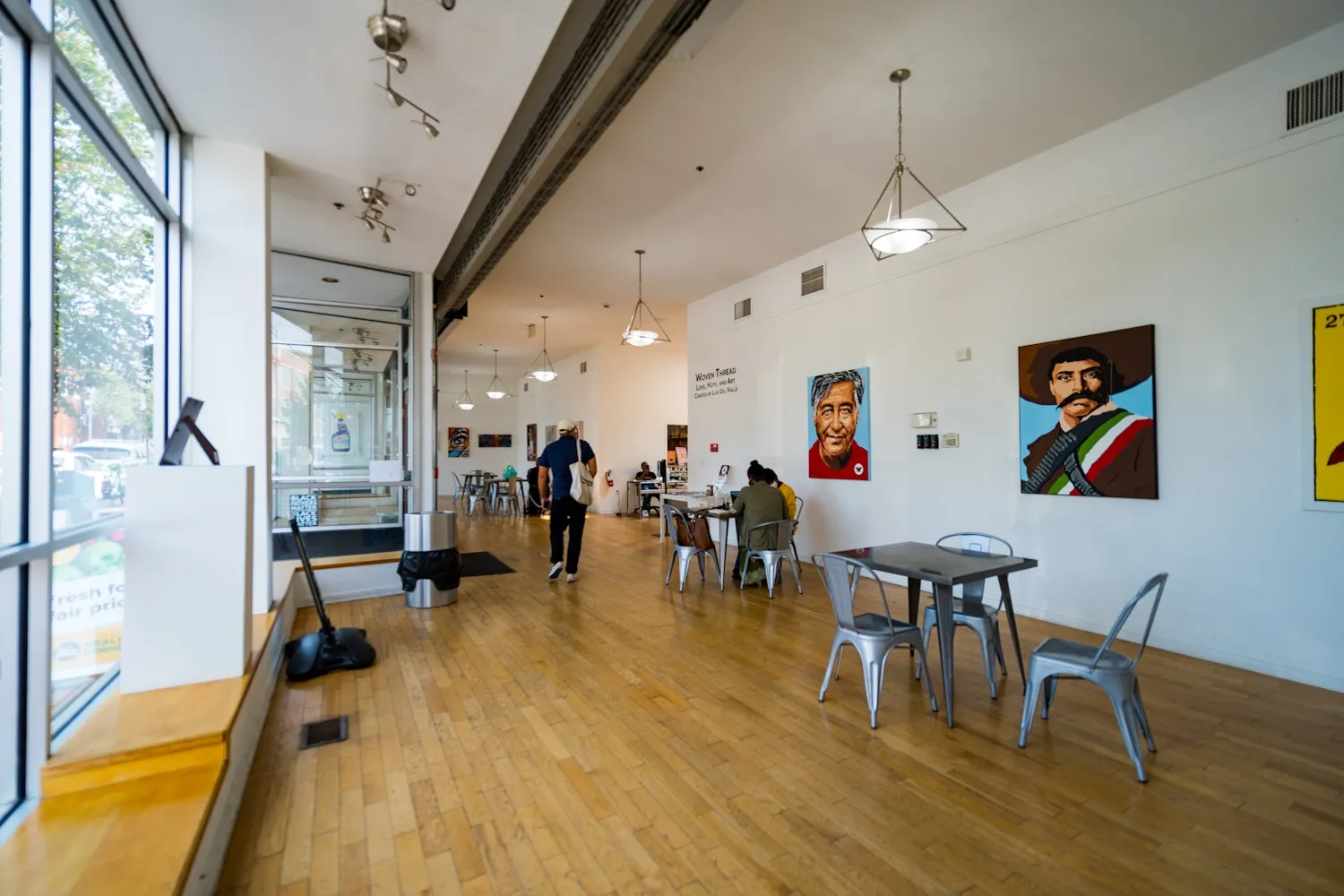
As golden hour fades into twilight, head inside the Anacostia Arts Center, where contemporary Black artists continue the tradition of creative expression essential to the city's identity. The dynamic hub offers rotating exhibits, performances, and collaborative spaces that connect visitors with the pounding pulse of DC's cultural scene.
Find more We The People itineraries and keep discovering the real DC.