
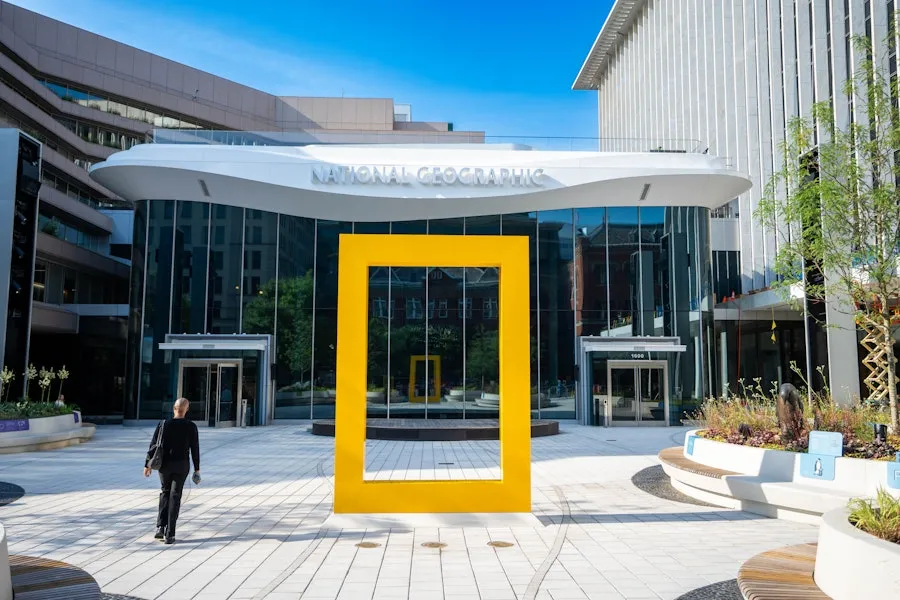

DC's newest museum brings the spirit of exploration to the heart of downtown DC
The National Geographic Museum of Exploration opened in June 2026, transforming the National Geographic Society's century-old campus into an immersive storytelling destination, sure to spark curiosity in every visitor.
Whether you grew up collecting yellow magazines or you're engaging with Nat Geo for the first time, here's everything you need to know before you go, including ticketing and accessibility information.
What is the National Geographic Museum of Exploration?
The Museum of Exploration (MOE) is the newest major cultural institution to open in Washington, DC. Located at the National Geographic Society's reimagined headquarters in Downtown, the museum offers more than 100,000 square feet of public space. With the purchase of a ticket, visitors can explore interactive exhibitions and events, immersive galleries, global dining, a gift shop and more. The entire museum is bilingual (English and Spanish).
The $300 million revitalization marked the dedication of a permanent home that welcomes all who support the Society's mission to "illuminate and protect the wonder of our world through science, exploration, education and storytelling."
Think of it as the place where visitors can explore National Geographic's legacy firsthand: groundbreaking expeditions, generation-defining photographs, breakthrough wildlife research and more. Guides in blue shirts are available throughout the space, ready to engage, answer questions and share their favorite stories.
What's happening at the National Geographic Museum of Exploration this summer? Are there special events and programming?
The museum opened its doors just in time for America's 250th anniversary, and the calendar is already full of ways to engage.
Grand Opening Weekend (June 26-28)
The museum launches with a three-day festival featuring:
Live music and dance performances from cultures around the world
Pop-up talks and conversations with National Geographic Explorers
Hands-on activities for visitors of all ages
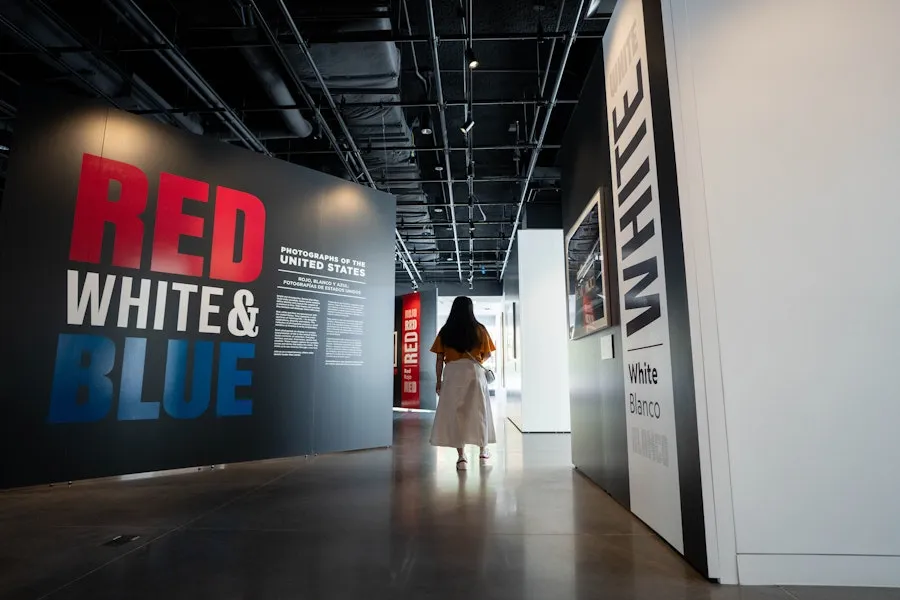
Red, White & Blue: Photographs of the United States (new for summer 2026)
This brand-new exhibition was created especially for the America's 250th and is showcased in the museum's Spotlight gallery through Jan. 2027.
Key details:
Features work from National Geographic photographers including Ronan Donovan, Katie Orlinsky and David Doubilet
Reimagines America through the colors of its flag – landscapes, histories and everyday stories told through color photography
Entry included with general admission
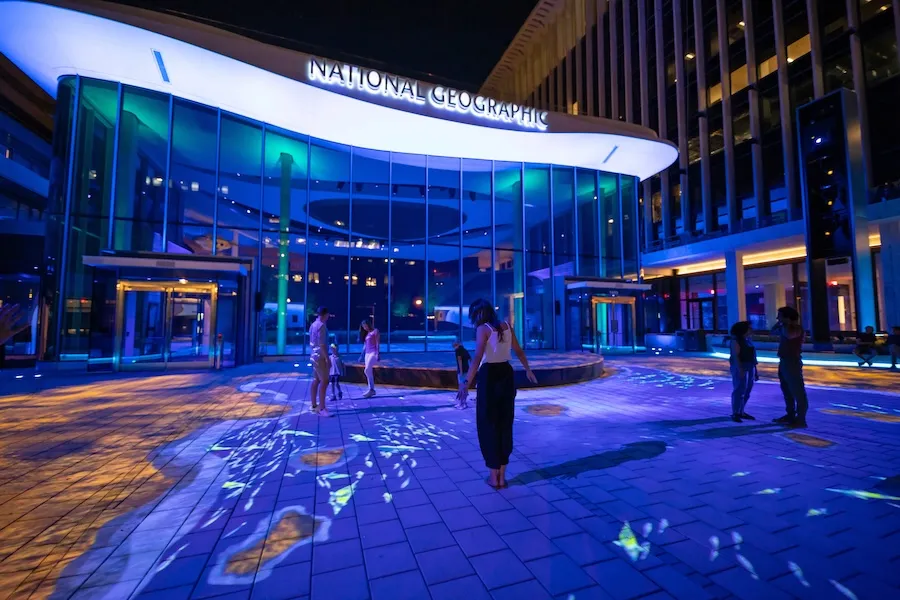
The immersive outdoor nighttime experience projects stunning imagery of our oceans, alongside sound and interactive media, onto the exterior windows. Please note that this is a ticketed experience ($10), separate from museum entrance.
Nat Geo Nights (July 23)
Nat Geo Nights transforms the Museum of Exploration into a 21+, after-hours experience filled with live music, storytelling, art, cocktails and unexpected discoveries around every corner.
Spend the evening exploring this month’s theme: America’s National Parks. Wander through artist activations, hear stories from National Geographic Explorers and experience the museum in an entirely new way, all while enjoying themed drinks, live DJs and after-hours access to exhibitions.
Recurring Programs:
Trivia (Wednesdays, beginning July 8)
Courtyard Farmstand (Tuesday mornings)
Concerts in the Courtyard (Fridays, July 24 – Sept. 4)
Coffee with an Explorer (every other Thursday morning) – intimate small-group experience where you can hear firsthand stories from Explorers whose work is shaping how we understand wildlife, science, culture and our changing planet
Drinks with an Explorer (every other Tuesday evening) – hear Explorers' journeys, from their spark moments to their work in the field, complete with signature drinks
The museum also offers select free events:
From the Archives Screenings – weekly series of rare archival films and classic Nat Geo television specials
Pop-Up Explorer Talks – Impromptu talks from Explorers about objects and stories on display
MOEments – behind-the-scenes talks on the Society's global mission
What permanent galleries are there at the National Geographic Museum of Exploration?
The museum's exhibitions span two main floors, connected by the Pavilion. Here's a preview of what you'll find in each space.
National Geographic is perhaps most well-known for its breathtaking photography, so it's natural that the two ground-floor photography galleries are such a central piece in the museum's footprint. Visitors who remember the previous museum will recognize this space.
In Focus: Photographs of National Geographic (1st floor)
This anchor exhibit celebrates Nat Geo's legacy of photography, highlighting the power of visual storytelling through generation-defining photographs. It presents powerful stories of people, places and the planet through a photographic lens, some with tactile elements.
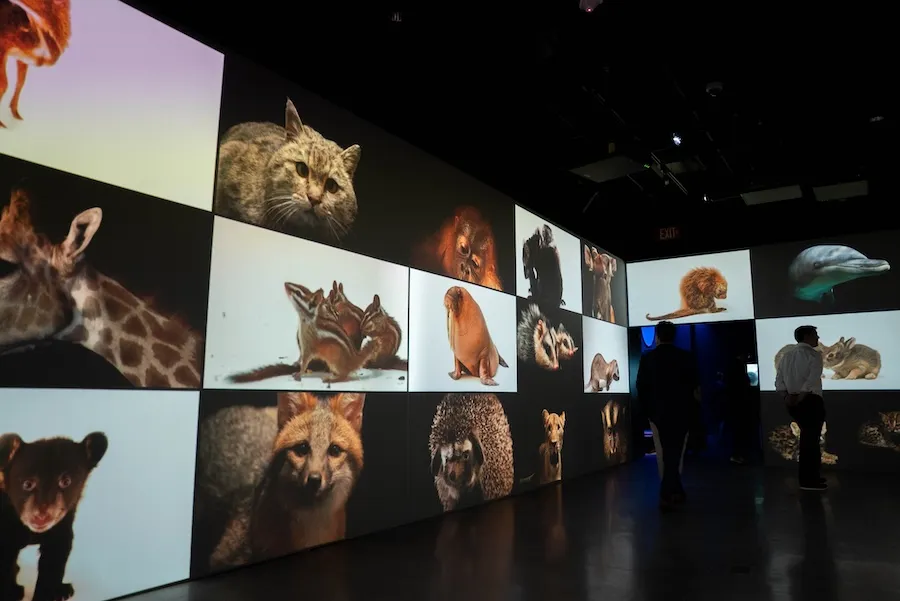
Photo Ark: Animals of Earth (1st floor)
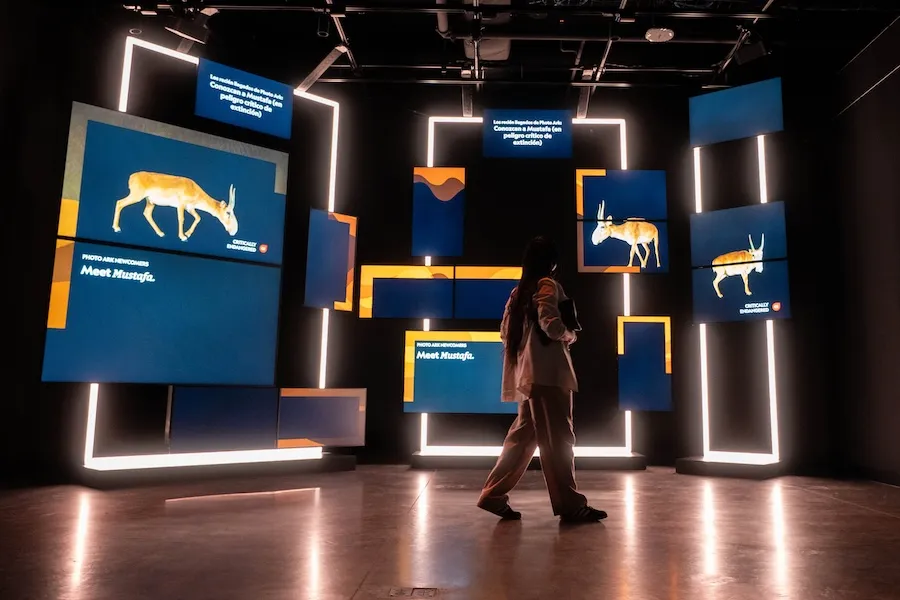
One of the most extraordinary experiences at the MOE, this exhibit is built around the life's work of National Geographic Explorer Joel Sartore: his decades-long mission to photograph every animal species on the planet, with a focus on those at risk. The exhibit contains some of the last photos of species that are now extinct, making this a moving experience for all who visit.
Visitors can expect large-scale projections and striking photographic portraits covering species from every continent, alongside interactive elements like an animal personality quiz that "finds your wild side."

Also on the first floor, stop by the Jean and Steve Case Magazine Gallery (1st floor, Pavilion), where visitors can navigate through thousands of photographs that made National Geographic a household name, dating from 1888 to today. You can even search for specific dates, such as the day you were born.
The Archives (1st floor)
This part of the museum is carefully designed to evoke a sense of history, tracing how a century of Explorers have shared their breakthroughs, from hand-drawn maps and handwritten field notes to digital film. By opening a drawer or touching a screen, visitors can travel through time with photographs, footage and field equipment.

Learning Launchpad Powered by Cengage (1st floor)
Designed for school groups (but decidedly entertaining for all who visit), the Launchpad focuses on what the museum calls "the power of geographic thinking." Students will be amazed by the projection room and other interactive exhibits, including an installation of student work from Washington, DC, and get a taste of the Explorer Mindset – "core values and skills that drive National Geographic Explorers to protect and better the planet."
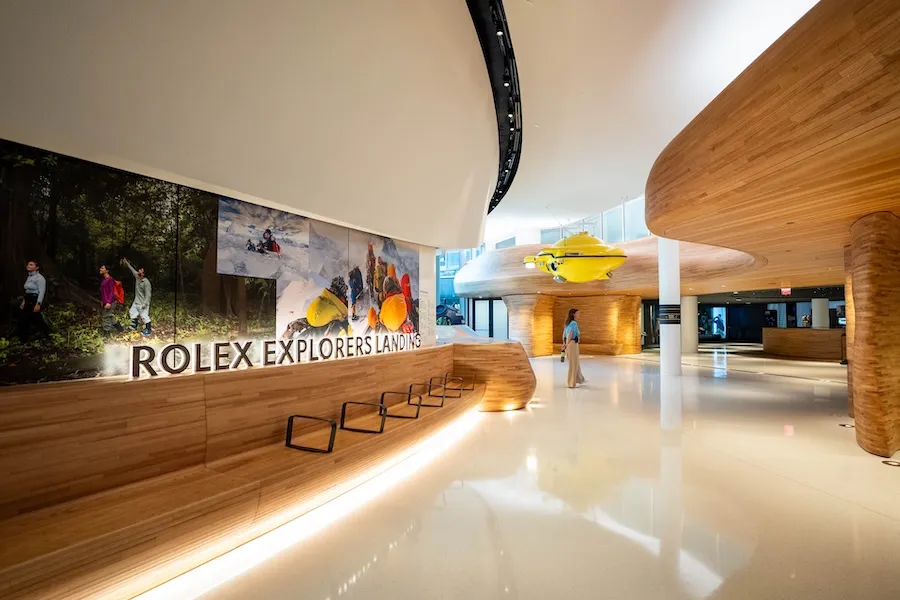
Rolex Explorers Landing (2nd floor)
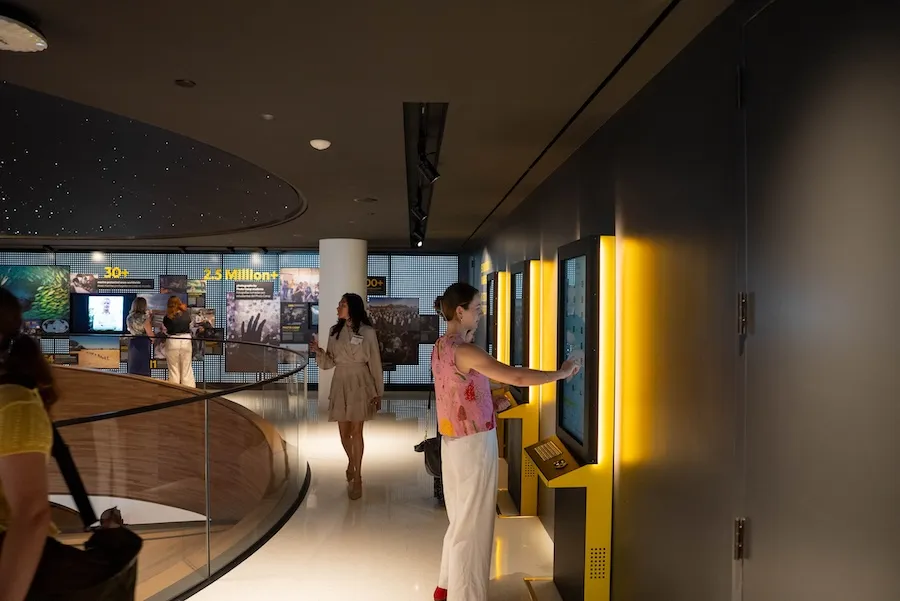
This floor-wide gallery is the emotional heart of the museum, reflecting the stories and legacies of National Geographic Explorers. In its 130+ years, the National Geographic Society has supported the work of more than 6,000 Explorers in over 140 countries. As you climb the staircase to the exhibit, gaze up and down to see a model of the night sky the day Nat Geo was founded, set above a floor map of DC.
Highlights include:
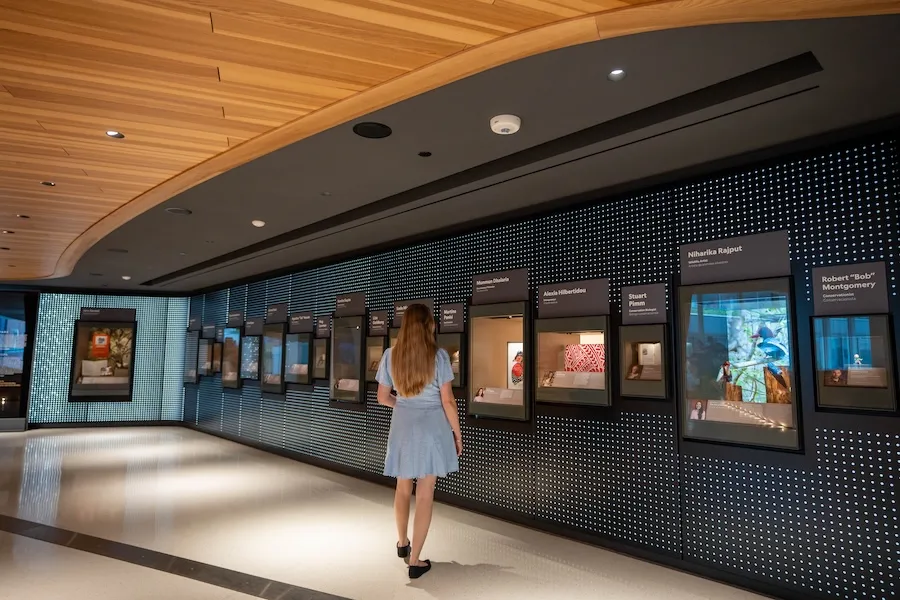
Spark, an exhibit centered on personal stories from Explorers – from Jane Goodall to the most recent additions – about the defining moment they committed their life to exploration. It hits home that a "spark" can appear for anyone.
A browsable digital archive of every National Geographic Explorer, searchable by project, discipline and region, plus windows into what current Explorers are working on right now
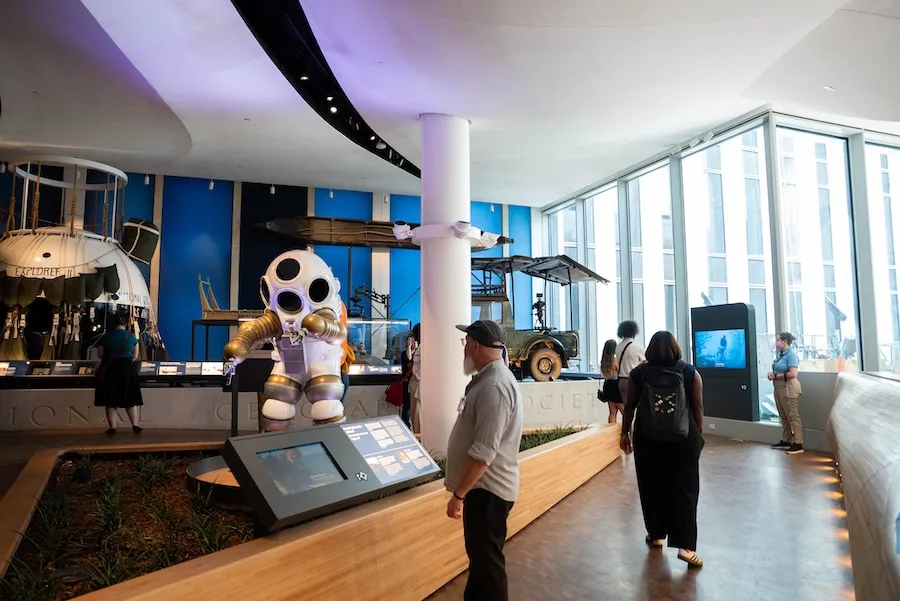
Artifacts and replicas of expedition vehicles, watercraft and other tools used on real missions, from a lion tracking collar to neon pink sneakers that helped a documentarian pass as a tourist
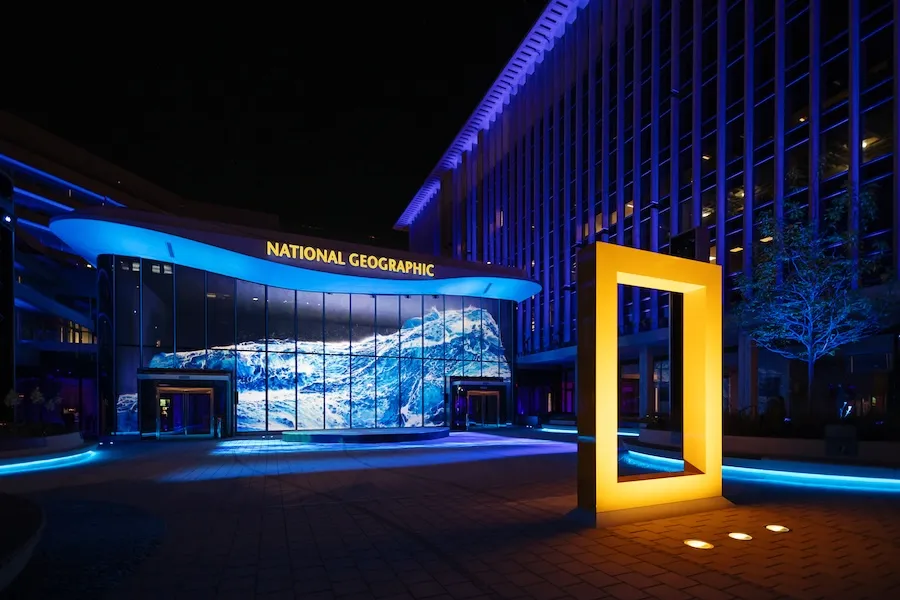
What does the new National Geographic Museum of Exploration look like?
The newest section of the campus is anchored by a yellow, rectangular "portal" that symbolizes National Geographic brand around the world. It welcomes visitors to the public Courtyard and main entrance at 1600 M Street NW.
Before crossing through the soaring glass façade, guests can walk among six garden beds representing the world's inhabited continents. Each contains anatomically accurate animal sculptures native to that region alongside plants native to DC. Through an AR app, visitors can interact and learn more.
Step into the Pavilion to find a massive set of screens showing stunning footage from around the world, flanked with undulating, organic, architectural elements made from sustainably sourced wood. Alongside its two floors of gallery spaces, immersive technology and even down to its mini-exhibits hidden in the floor, the space brings National Geographic's legacy to life in a fitting way.
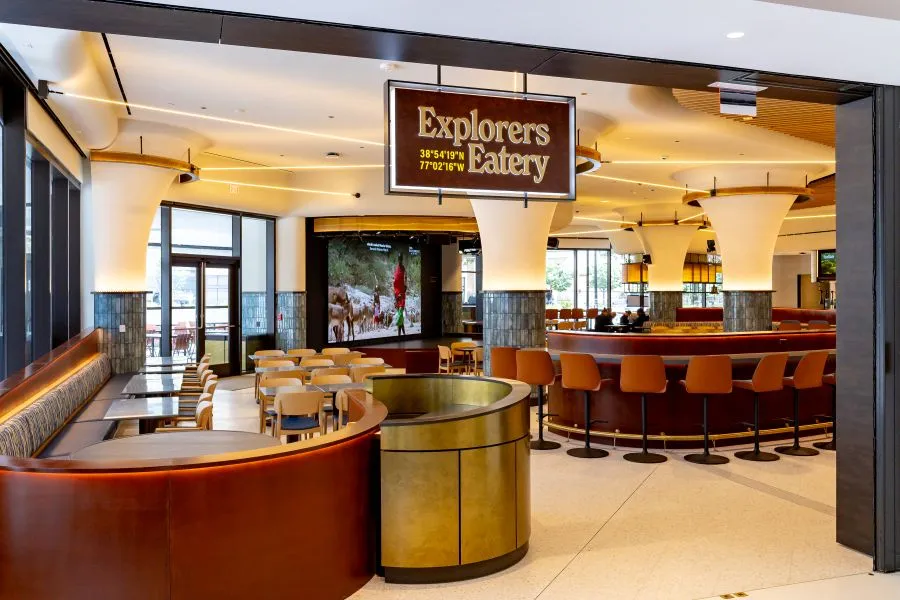
Where can I eat at the National Geographic Museum of Exploration?
The museum's dining draws from the cultures and places featured in National Geographic's work across the globe. Explorers Eatery is its international food hall, and within it you'll also find Ballard Bar, named after National Geographic Explorer at Large and deep-sea pioneer Robert Ballard, who is most widely known for discovering the Titanic. (This makes the MOE one of the only museums in DC with a full-time, operational bar!)
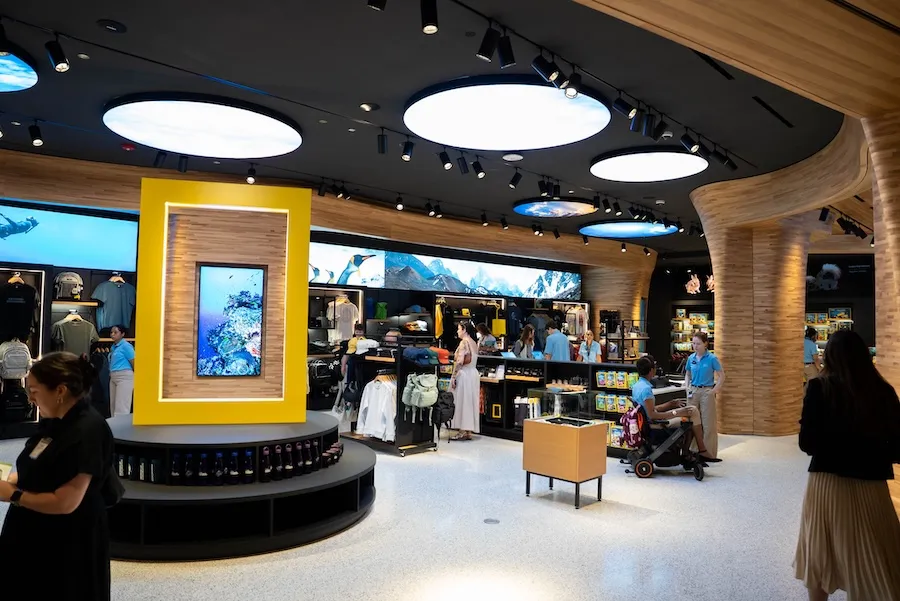
Does the National Geographic Museum of Exploration have a gift shop?
Yes. The museum shop is stocked with a wide range of National Geographic-branded merchandise and gifts, including but not limited to:
Books, field guides and educational materials
National Geographic gear and apparel
Games and activities for kids and adults
Unique gifts including stuffed animals (including some fan-favorite iguanas)
Where is the National Geographic Museum of Exploration? How do I get there?
The museum is located at 1600 M Street NW in the heart of Downtown DC.
Metro is strongly recommended: Farragut North (Red Line) is the closest stop, with Farragut West (Blue/Orange/Silver Lines) as a close second. Both are within walking distance of the MOE.
Metrobus also reaches the MOE; D60 or D6X stop at 16th Street NW & M Street NW. There are multiple Capital Bikeshare stations near the museum as well.
Street parking is limited.
How much are tickets to the National Geographic Museum of Exploration?
Tickets are available at moe.nationalgeographic.org for $29.99. The museum offers discounted $3 admission for families enrolled in SNAP and WIC.
Some special events and evening programs, including the immersive outdoor projections and Nat Geo Nights, require separate ticketing.
Is the National Geographic Museum of Exploration accessible?
Yes. Accessibility was built into the museum's design, including complete wheelchair accessibility, braille text and tactile maps, wellness rooms on-site, sensory kits, exhibition text in English and Spanish and much more. Learn more about the Museum's accessibility and services.
Why should I visit the National Geographic Museum of Exploration?
In the Spark exhibit, you'll see a wooden stool where Dr. Olivier Nsengimana and his grandmother Vasitiya Nyiramfakaramye used to spend evenings seated around the fire in Rwanda. She would tell vivid tales about the wildlife there – stories that would lead him to become an Explorer.
With its immersive galleries, otherworldly footage and community-centered programming, the MOE carries that spirit forward, inspiring visitors to explore the wonders of our world, whatever that means to them. As Explorer in Residence Lee Berger put it: "Welcome home."



Partner Content