

Whether you’re a first-timer or returning for your 10th annual conference, here are answers to common attendee questions.
General Travel & Logistics
Which airport should I fly into?
Of the three airports that service DC, Ronald Reagan Washington National Airport (DCA) is the closest to the city and accessible by the Blue and Yellow Metro lines. Washington Dulles International (IAD) is about 45 minutes via car from downtown, but the Metro’s Silver line connects travelers in about an hour. Baltimore/Washington International Thurgood Marshall Airport (BWI) in Maryland is the furthest, but accessible by MARC/Amtrak to Union Station.
How do I get around DC?
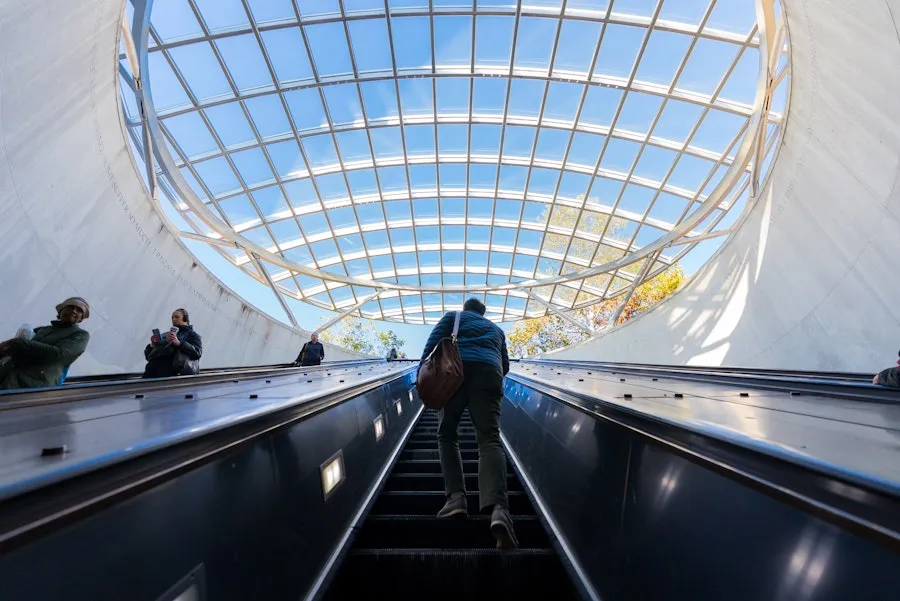
DC has an award-winning Metro system, connecting you to two airports and every corner of the city. Walking, biking and scootering are also popular ways to get around with over 100 miles of bike lanes around the capital. For harder to reach corners of the city, catch a bus or rideshare.
Do I need a SmarTrip card for Metro?
You can now use your contactless credit and debit cards at Metro stations. SmarTrip cards (rechargeable fare cards) are still accepted, but using your personal card can reduce hassle.
Coming with a group? Try Metro Pass Group Orders.
Attractions & Things to Do
Romoff Media
What should I see if I only have a few hours between sessions?
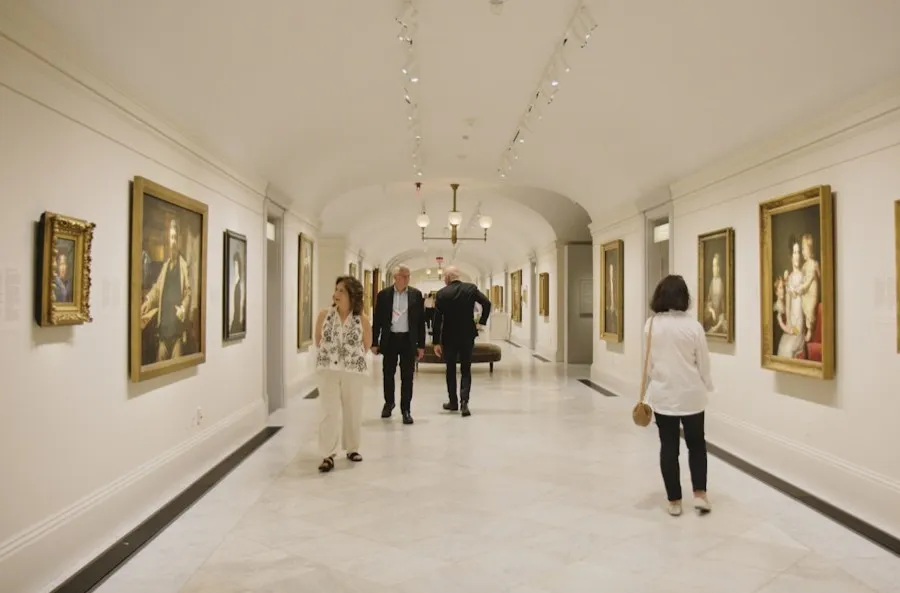
Since most museums are free, take an hour to pop in the National Gallery of Art to see the only Da Vinci painting in the Americas or the National Air and Space Museum to touch a piece of the moon. Marvel at the National Mall’s monuments and memorials or eat at one of the many award-winning restaurants.
Museums aren’t your style? Explore a neighborhood. See Embassy Row and be inspired by the bookshops of Dupont Circle or wander by the classic rowhouses of Capitol Hill.
Are Smithsonian museums really free?
Yes! All 16 Smithsonian museums and the National Zoo in DC are free. But museums aren't the only free thing to do; DC has over 100 free attractions and events.
Which attractions require timed entry tickets and are free?
White House: Contact your congressional representative or your senator at least two months prior to your arrival to arrange a free, self-guided tour.
U.S. Capitol Tours: Go to visitthecapitol.gov to book a free guided tour. If Congress is in session during your visit, you may be able to obtain gallery passes to the House or Senate chamber. You can also contact your congressional representative or senator directly.
Washington Monument: Tickets banks open one month in advance at 10 a.m. You can also get free same day tickets starting at 8 a.m. at the Washington Monument Lodge on 15th Street.
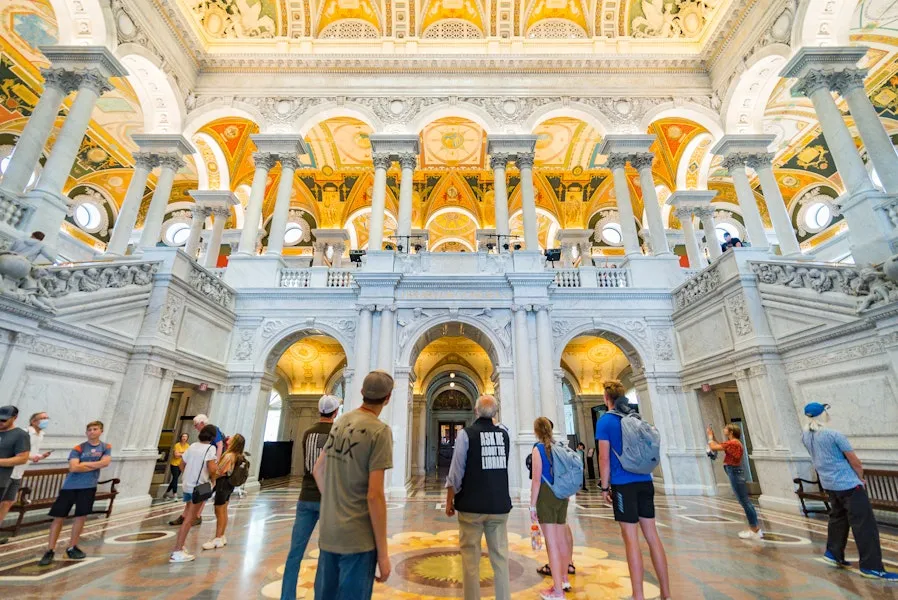
Museums and more: National Museum of African American History and Culture, National Air and Space Museum, the U.S. Holocaust Memorial Museum, the Library of Congress, The National Zoo, the People’s House, Folger Shakespeare Library, The Milken Center for Advancing the American Dream
Are there group activity options for attendees?
Many of DC’s popular attractions can be turned into group fun. Explore a museum, take a guided tour, catch a show, take a cruise on the Potomac River, watch a concert, grab drinks at a rooftop bar or see a sports game. Your group has endless options.
Hotels & Meeting Venues
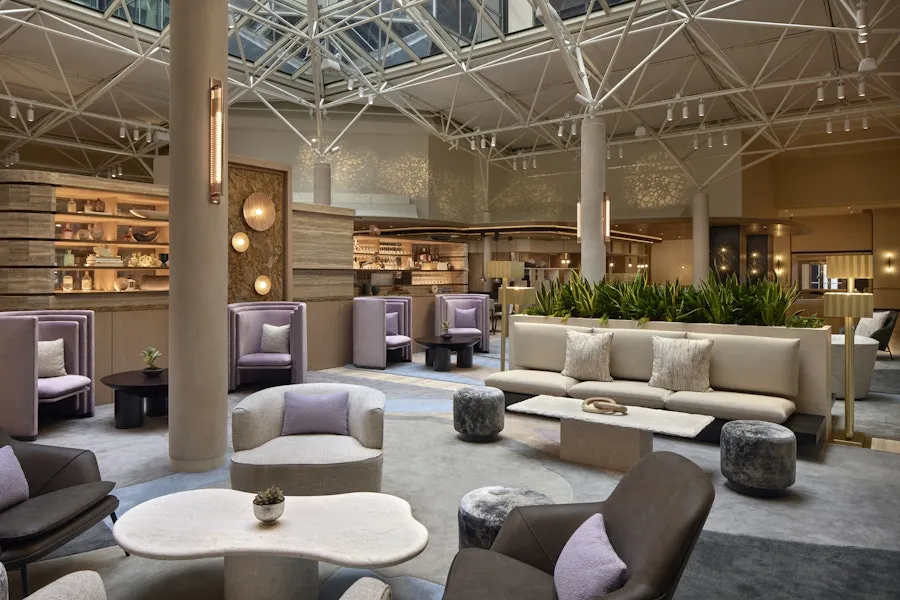
The Westin DC Downtown
What hotels are the closest to the Walter E. Washington Convention Center?
There are nearly 7,800 hotel rooms within walking distance of the convention center. Some popular hotels are:
- Marriott Marquis
- Westin DC Downtown
- AC Hotel Washington DC Convention Center
- Residence Inn by Marriott Washington Downtown/Convention Center
- The Conrad
What are the biggest hotels in DC?
- Marriott Marquis (1,175 rooms)
- Washington Hilton (1,107 rooms)
- Grand Hyatt Washington (897 rooms)
- Hyatt Regency Washington on Capitol Hill (838 rooms)
- Omni Shoreham Hotel (834 rooms)
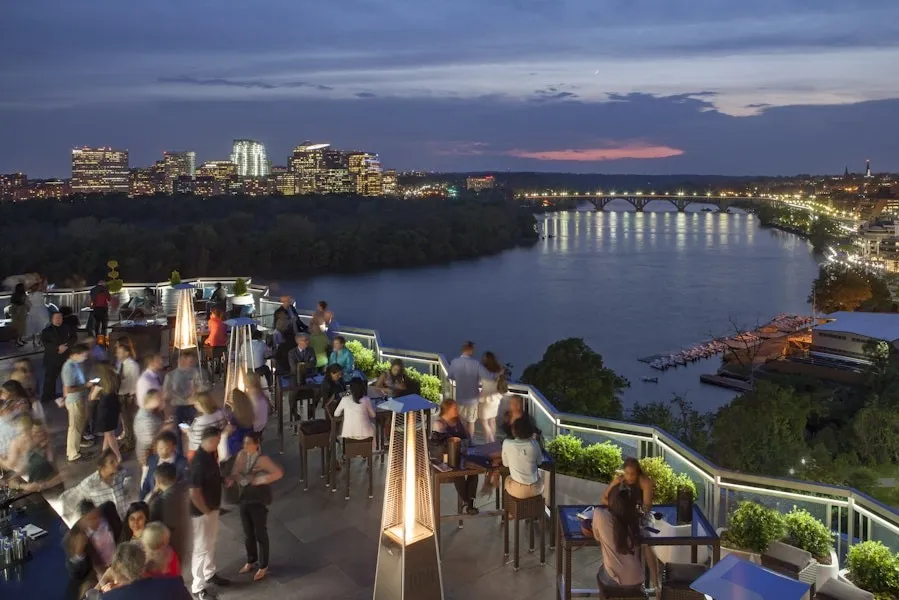
The Watergate Hotel
What hotels have historical significance?
- The Willard: the lobby where MLK wrote his “I Have a Dream” speech, where the Mint Julip cocktail was introduced, Abraham Lincoln resided for 10 days prior to his 1861 inauguration
- The Omni Shoreham Hotel: where the Beatles stayed during their first trip to the U.S., where President John F. Kennedy took Jackie Onassis on dates before the couple married, where the the Philippian president lived and operated his country during World War II
- The Waldorf Astoria: where the U.S. Post Office Department was headquartered between 1892 and 1899, the clock tower is the third-tallest building in DC
- The Watergate Hotel: home of the Watergate scandal in 1972 (includes a Scandal Room decorated with memorabilia)
And that’s not all. Explore more storied properties.
Restaurants & Dining

Zaytinya
Where should I eat near the convention center?
Check out some grab-and-go, fast casual and Michelin starred restaurants, all within walking distance of your last breakout session.
Where should I experience DC's local food scene?
DC is known for its diverse cuisine. Ben’s Chili Bowl is a local institution. As the largest Ethiopian population outside its homeland, DC’s Ethiopian food is authentic and flavorful. Try Ethiopic and Eatopia Eatery. For quick bites and local favorites, Union Market and Love, Makoto are excellent options.
Where can I find after hours-networking spots?
After hours, there are numerous options across the city. Many museums host lively after-hours events each week, offering a great way to explore and socialize. If the weather permits, head to a rooftop bar with drinks and scenic views. Otherwise, choose a fun restaurant near your hotel where you can relax and chat with colleagues.
Safety & Practical Info
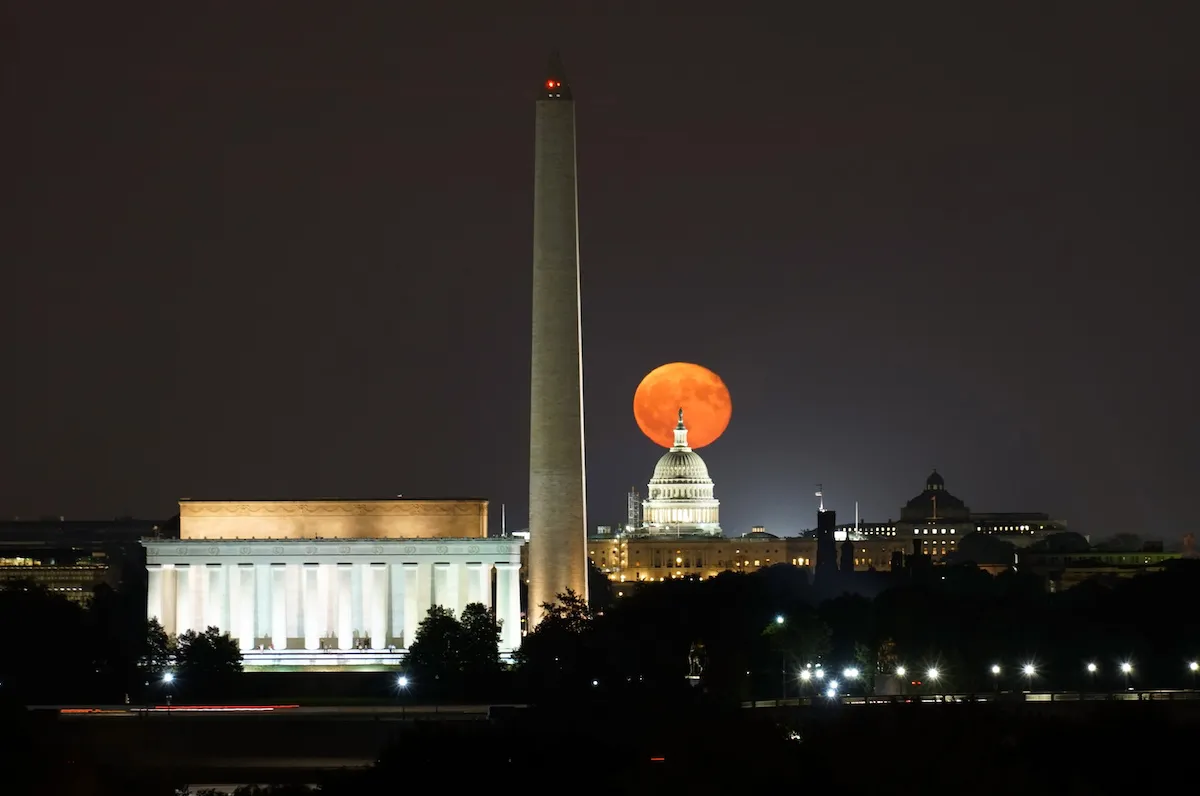
Is DC safe to walk around at night?
While the violent crime rate is at a 30-year low, like any major city, be aware of your surroundings. Walk in well-lit areas and on busy streets. Trust your instincts and if you feel unsafe, take a rideshare or Metro.
Keep up to date on safety measures.
Are protests common? Are they dangerous?
DC frequently hosts permitted demonstrations due to its role as the nation’s capital, under the jurisdiction of local and federal officials. The vast majority of protests are peaceful and well-managed. You may encounter road closures or crowds, but you are rarely at risk. If uncomfortable, simply walk away from the area.
Sustainability & Accessibility
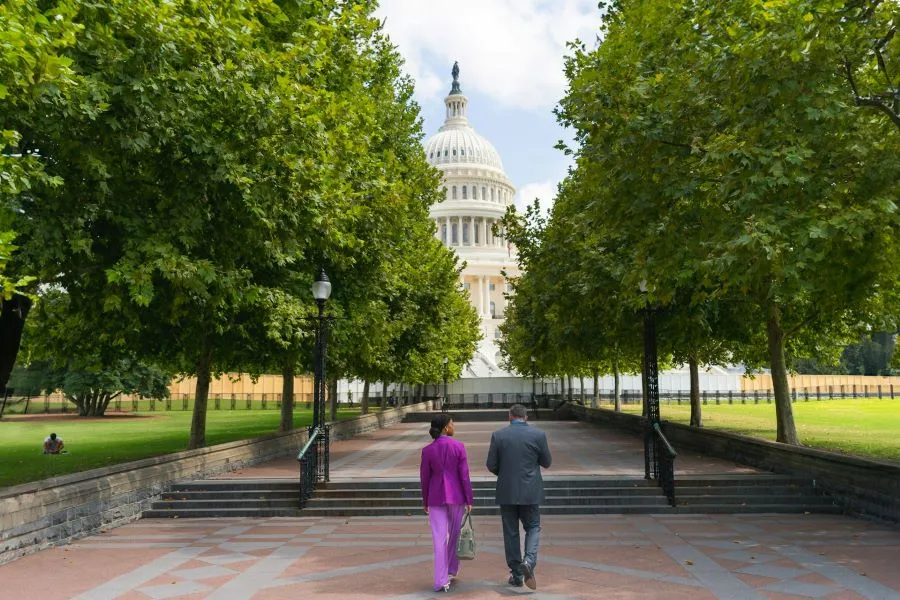
What makes DC a sustainable city?
- Global Recognition
- #1 sustainable destination in the U.S. among participating destinations (Global Destination Sustainability-Index 2021-2025)
- 1st LEED Platinum City in the World
- #1 Park System in the Country (Trust for Public Land, 2025)
- Walkability and Transportation
- DC sets the scene for sustainable commuting with 37.7% of residents getting to work via bicycle, walking or public transit.
- Clean Energy DC Omnibus Amendment Act: adopt a Net Zero Energy building code by 2026, zero-emission public bus fleets by 2042 and reach 100% renewable electricity for the city by 2032.
- The nation's first 100 percent renewable energy bill
- Responsible Hotels and Restaurants
- Many DC hotels and restaurants have expanded their sustainability awareness with waste reduction, local farming, energy efficiency and other initiatives that positively impact the environment. See a full list of DDC's Sustainability District Members for more information.
What are sustainable ways to get to and from my meeting?
Walking is a great option in the third most walkable city in the U.S. You can also rent a bike from Capital Bikeshare or an electric scooter from one of the many DC vendors. If it’s a further distance, take the Metro or Metrobus.
Are attractions in DC accessible?
Local attractions and businesses are committed to providing seamless experiences for all visitors. Monuments, memorials, museums and cultural institutions provide accessibility and adventure in equal measure.
- Accessibility Guide to the Smithsonian Museums
- Accessibility Guide to the Monuments
- Accessibility Guide to DC Sports
If you have additional questions, call 1-800-422-8644 or send an email to info@washington.org.
Partner Content